
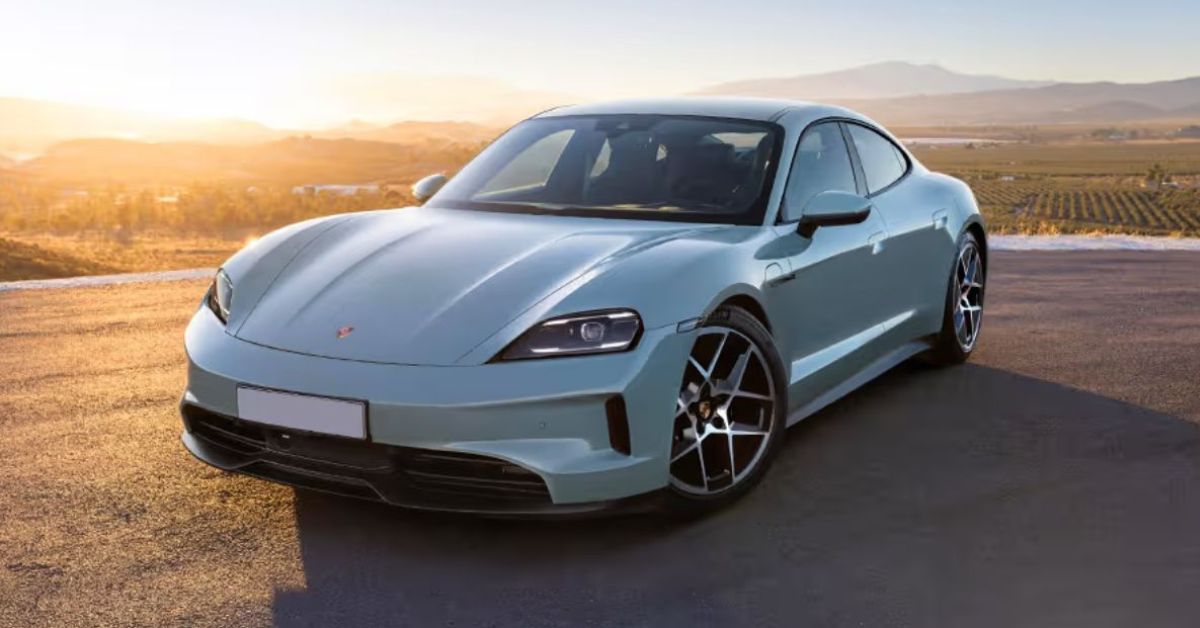
It’s a common question — why are Porsche electric vehicles so heavy, especially since the brand is known for lightweight sports cars. Take the Taycan, for example — its weight can be surprising compared to a classic Porsche 911. But this isn’t a design flaw; it’s the result of the physics and engineering needed to make a high-performance electric car. The main reason is the large battery pack, which is the heaviest part of the car, but other design and technology factors also add to the overall weight.
The Massive Weight of Electric Car Batteries
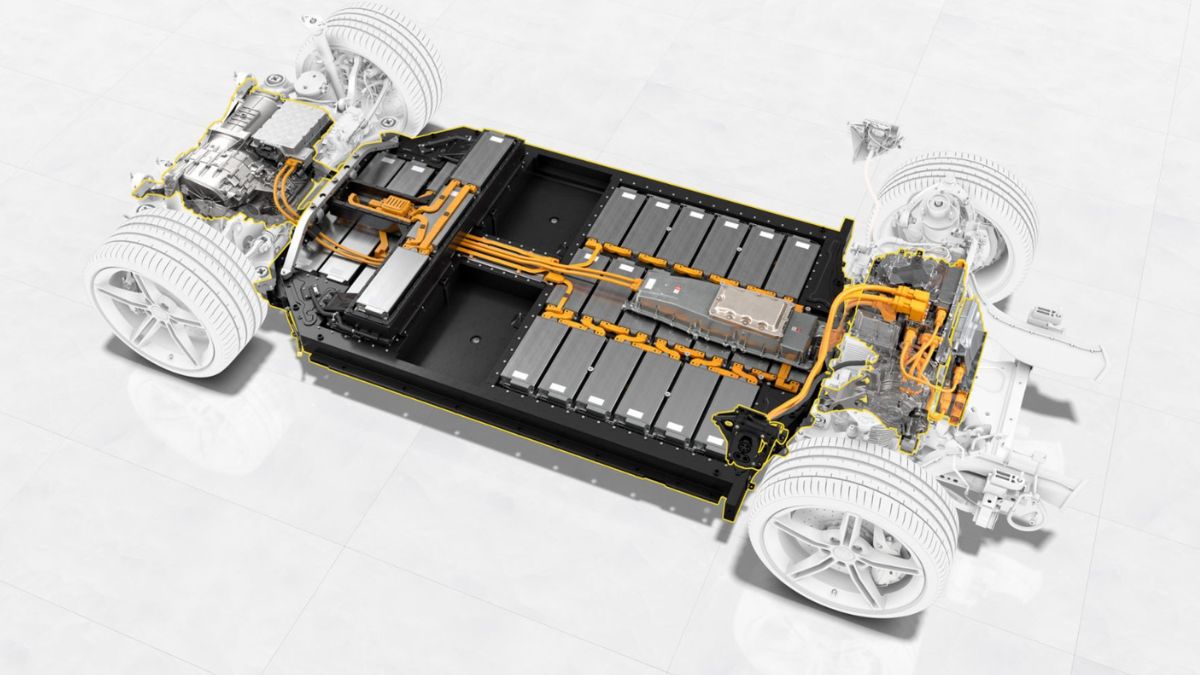
A battery pack in a modern electric car is a massive piece of technology. In a Porsche Taycan, for example, it can weigh over 1,300 pounds (about 600 kg). This weight isn’t just from the lithium-ion cells — it also includes the strong casing, cooling systems, and wiring needed to safely control and cool such a powerful energy source. Unlike a regular engine that gets lighter as it burns fuel, an EV battery’s weight stays the same no matter how much charge it has. This constant, heavy load is the biggest reason electric cars are so heavy. For comparison, a full tank of fuel in a normal car weighs only about 100 pounds.
Stronger Structures to Support Heavy Batteries
Apart from the battery itself, the way an electric car is built adds to its weight. Because the battery is so heavy, the car’s body and chassis need to be extra strong to handle it while still keeping passengers safe. This means using tougher materials and reinforcing key areas of the vehicle.
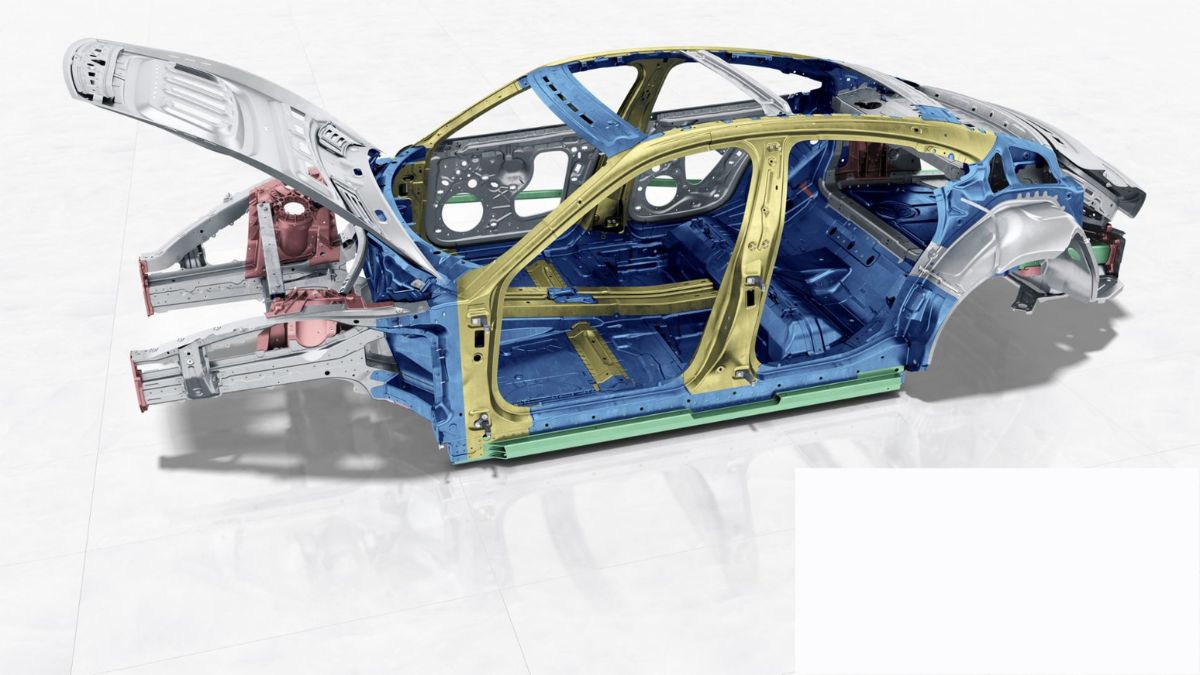
Porsche, known for precision engineering, doesn’t cut corners on safety. They use hot-formed steel and other high-strength alloys to create a solid “safety cell” that protects both the battery and the people inside. These reinforcements make the car more secure but also add even more weight.
Upgraded Suspension and Brakes for Extra Weight
The suspension and brakes in an electric car also have to be much stronger to handle the extra weight. A heavier vehicle needs more powerful brakes to stop safely and a tougher suspension to manage cornering forces while still giving a smooth ride. This means using bigger brake rotors, stronger calipers, and reinforced suspension parts — all of which add more weight. Heavier cars also put extra pressure on their tires, so they need tires with a higher load rating, which can make them slightly heavier too.
Performance Engineering Adds to the Weight
Porsche’s commitment to performance and handling also plays a role in making its electric cars heavier. To keep the brand’s famous driving feel, engineers work around the challenge of a heavy battery pack by positioning it low in the chassis. This lowers the center of gravity, which improves stability and cornering. However, integrating the battery in this way often requires more complex and heavier structural parts to make it a strong, load-bearing part of the chassis.
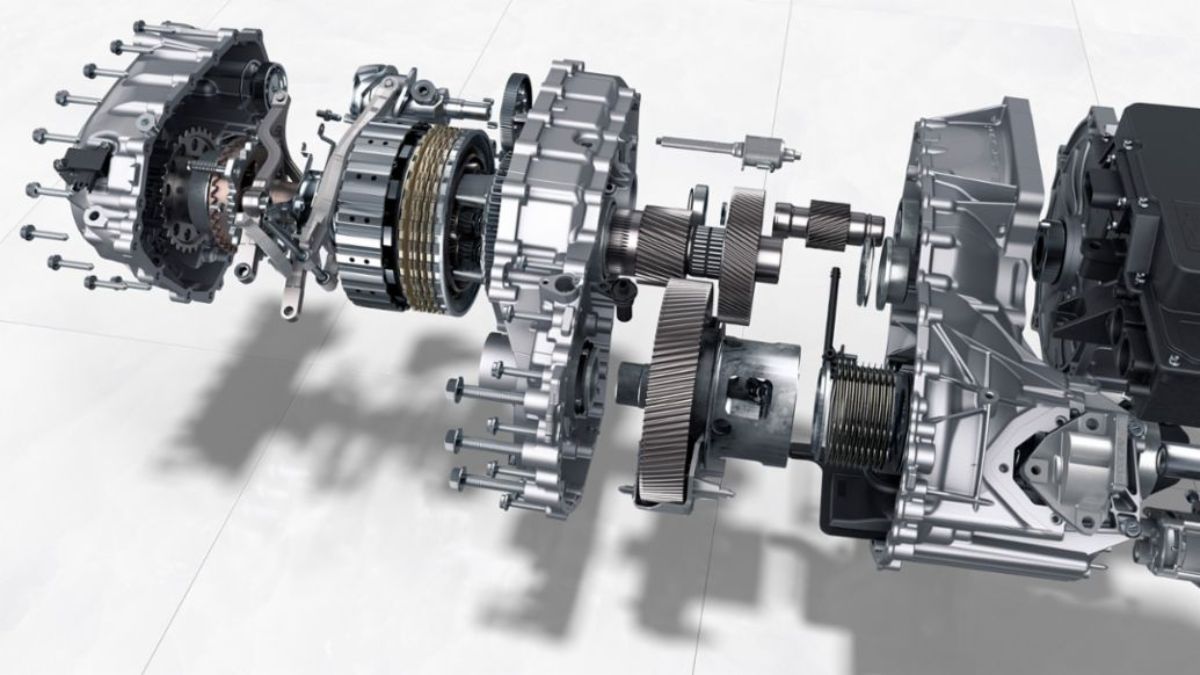
On top of that, Porsche adds unique features for better performance. For example, the Taycan uses a two-speed transmission, which delivers both rapid acceleration and efficient cruising at higher speeds. While this setup improves driving experience, it’s heavier than the single-speed transmissions used in many other electric cars.
Balancing Weight with Porsche Performance
In simple terms, the weight of a Porsche electric vehicle is a trade-off for everything it offers — instant torque, lightning-fast acceleration, and impressive driving range. This extra mass isn’t a flaw but a necessary part of delivering the power and performance people expect from an EV of this level.
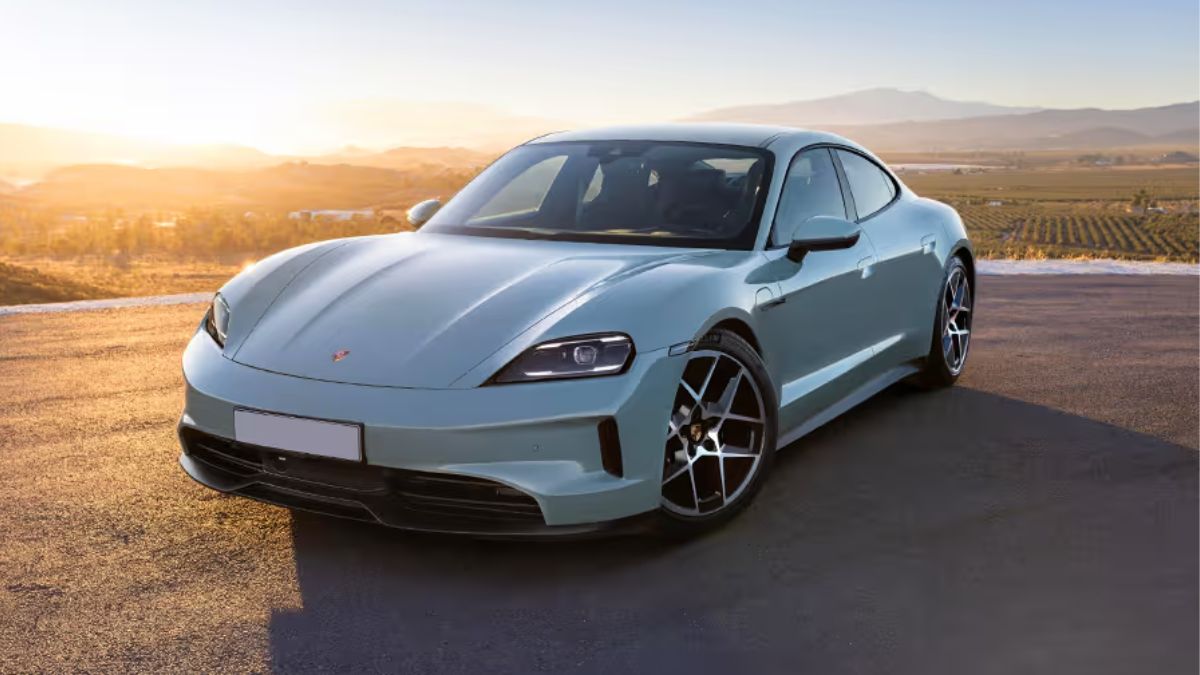
Porsche’s real challenge is to make sure that, despite the weight, the car still drives and feels like a true Porsche. To achieve this, every part — from the battery casing to the suspension arms — is carefully designed to be as light as possible without sacrificing performance, safety, or durability. The end result is a car that might be heavy on paper but delivers the thrilling, confidence-inspiring driving experience that defines the Porsche name.