
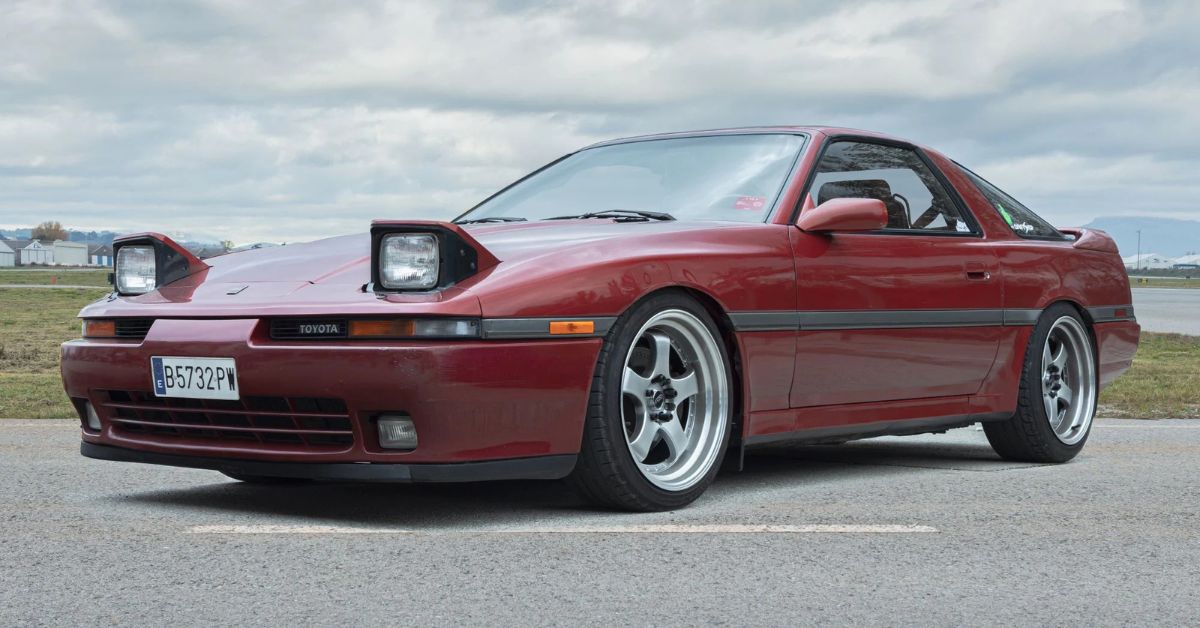
Ricer cars are a term often used by car enthusiasts, usually in a negative way. It refers to cars that are modified to look like high-performance racing machines but don’t actually have upgrades that improve speed or handling. Most of the changes are just for show, and sometimes they even reduce the car’s overall performance, making it slower or less efficient than it was in its original stock form.
The Origins of the Term “Ricer”
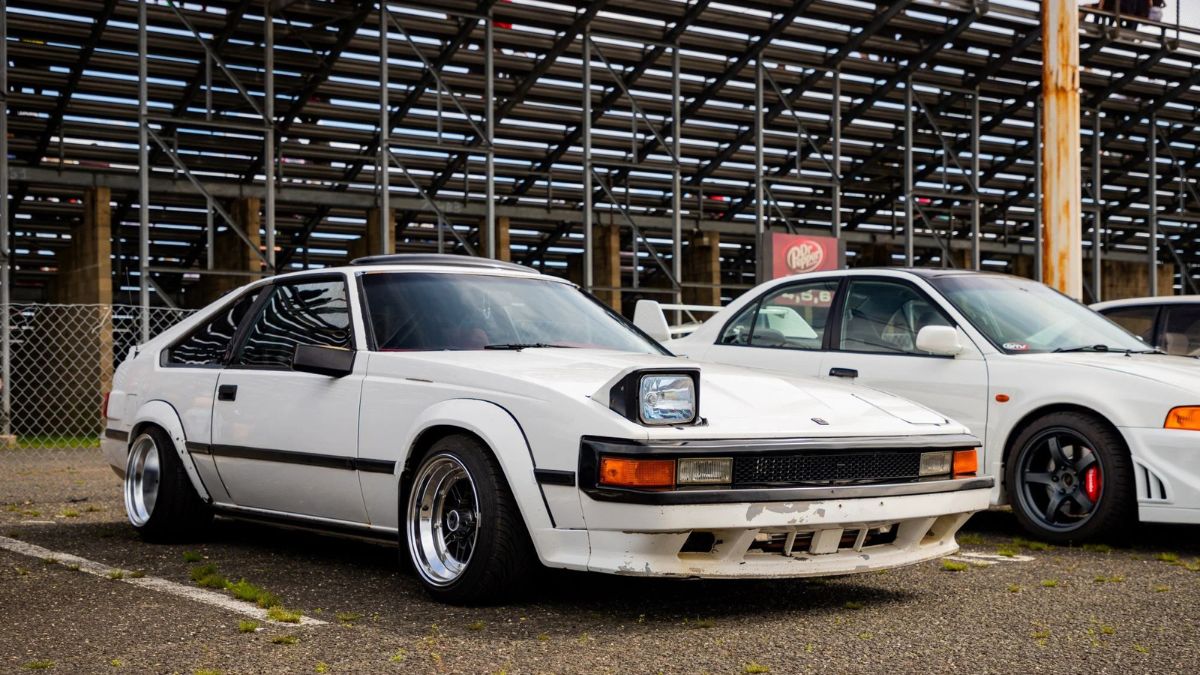
The history of the word “ricer” is a bit unclear, but many believe it started as a derogatory slang for Japanese cars and, by extension, their owners. It became more common in the 1990s and early 2000s with the rise of the import tuner scene and movies like The Fast and the Furious. Over time, some people have tried to give the word a different meaning by turning it into an acronym: “Race Inspired Cosmetic Enhancements.” While this wasn’t the original definition, it fits well, since ricer cars are mainly about creating the look of a race car rather than real performance upgrades.
Common Signs of a Ricer Car
The most obvious signs of a ricer car are usually cosmetic changes that are more for looks than function. A classic example is the oversized rear spoiler or wing. On real race cars, these are designed to create downforce and improve traction at high speeds. But on most street cars, especially smaller front-wheel-drive sedans, such big wings don’t serve any purpose other than making the car look like a race car.
Another giveaway is the “fart can” exhaust. These are oversized aftermarket mufflers that make the car extremely loud, often with a raspy tone. While the sound is meant to imitate the deep rumble of a performance engine, it doesn’t actually add any horsepower. Instead, it usually just makes the car noisier and more annoying to others on the road.
Other Typical Features of a Ricer Car
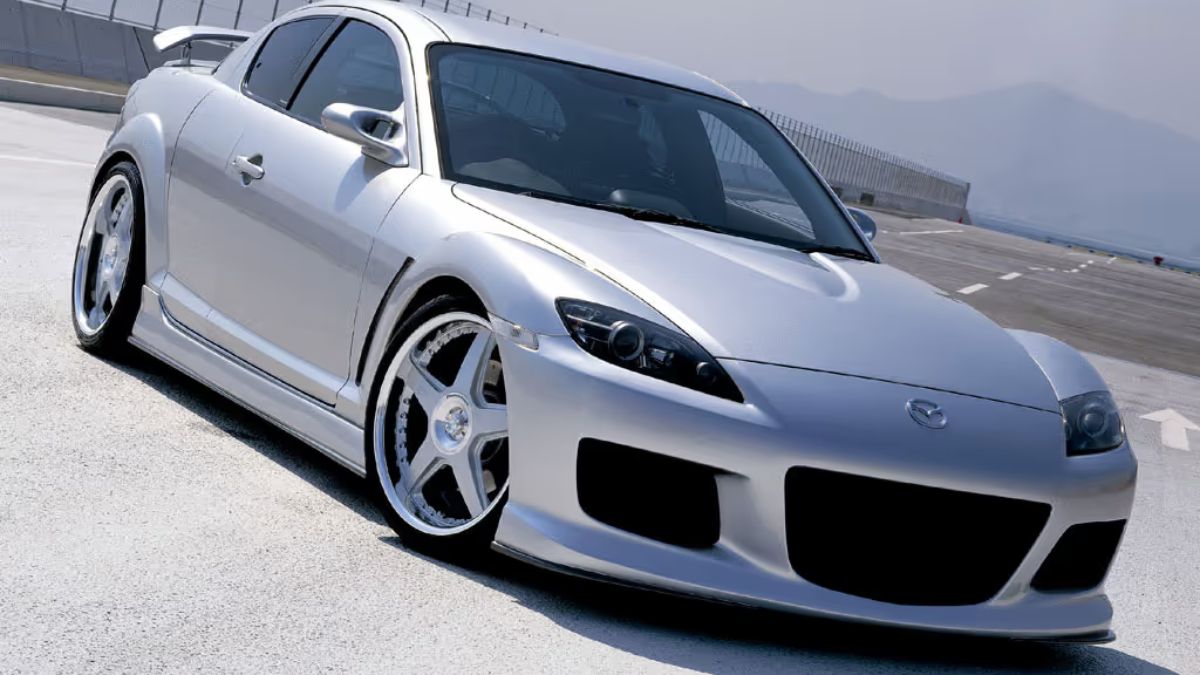
Besides big wings and loud exhausts, ricer cars often have other flashy but useless add-ons. These can include cheap body kits that don’t match the car’s shape, fake hood scoops or vents, lots of decals for parts the car doesn’t even have, and neon underglow lights. You’ll also notice oversized wheels with thin low-profile tires or fake brake caliper covers that try to look like expensive brands but are just plastic. Altogether, these mods make the car look exaggerated and overdone, more like a cartoon version of a real race car.
Ricer Cars Can Be Any Make or Model
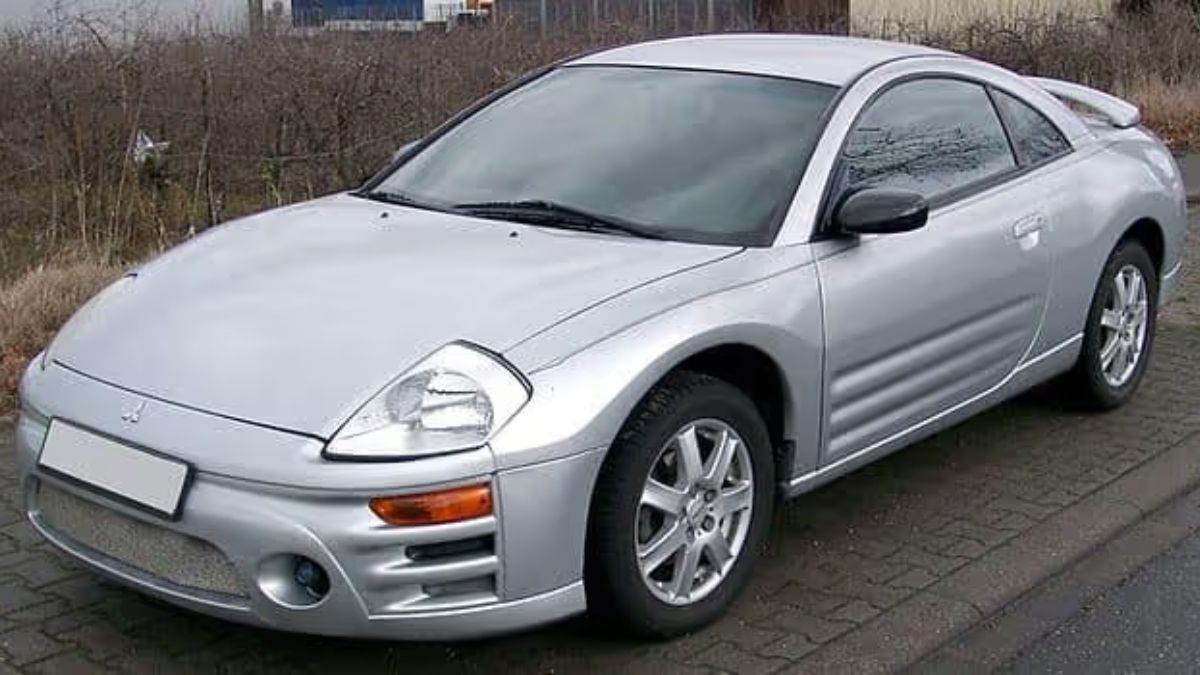
The “ricer” label is often linked to Japanese cars like the Honda Civic, Mitsubishi Eclipse, or Acura Integra, but it isn’t limited to them. Any vehicle—whether it’s an American muscle car, a European sedan, or even a truck—can be modified in a way that fits the ricer stereotype. What makes a car “riced out” isn’t where it comes from, but the focus on flashy looks instead of real performance.
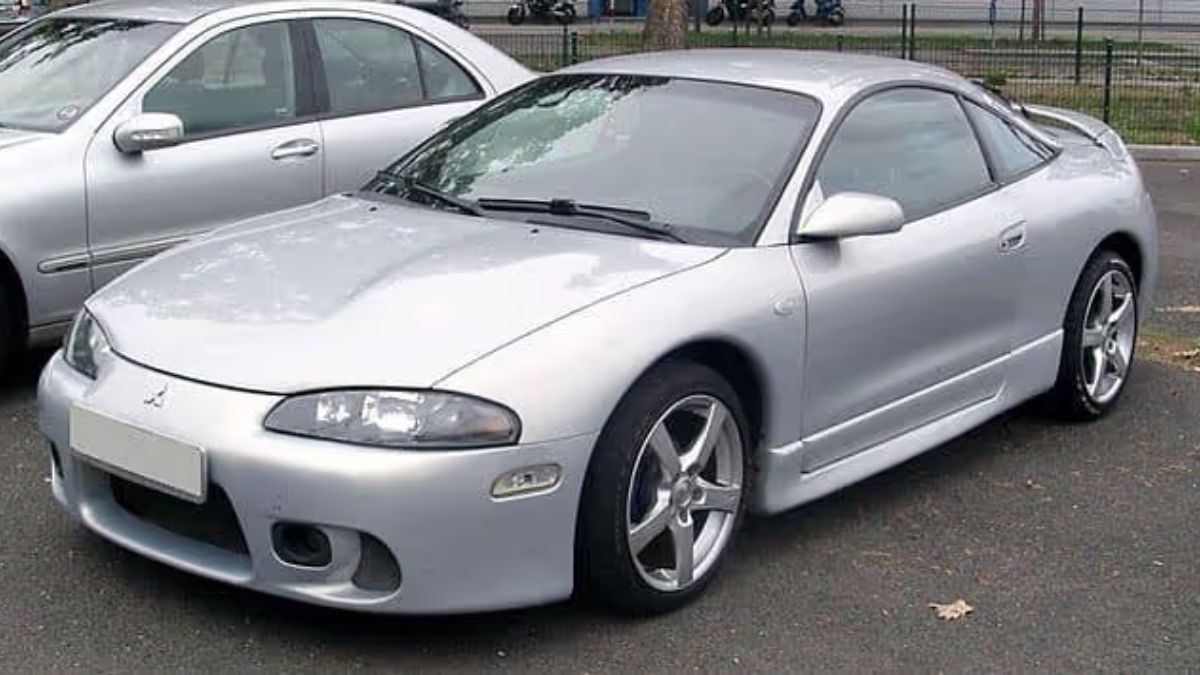
In contrast, true car enthusiasts put their money and effort into upgrades that actually improve how a car drives. These can include engine swaps, turbo kits, stronger suspension setups, or performance exhaust systems that are tuned for power rather than just making noise. The key difference is that enthusiasts aim for real gains in speed and handling, not just appearances.
Ricer Cars vs. Tasteful Modifications
The main difference between a well-modified car and a ricer car comes down to the purpose of the upgrades. A true car enthusiast invests in a balanced approach, improving both the performance and the appearance of their vehicle. They know that a huge wing on a stock car doesn’t help and that a loud exhaust doesn’t equal a powerful engine.
Ricer cars, on the other hand, focus mostly on looks and creating the illusion of speed or performance, even if it’s not real. While personal taste varies, the term “ricer” has become a way for the car community to separate genuine passion for cars and engineering from flashy but superficial modifications.