
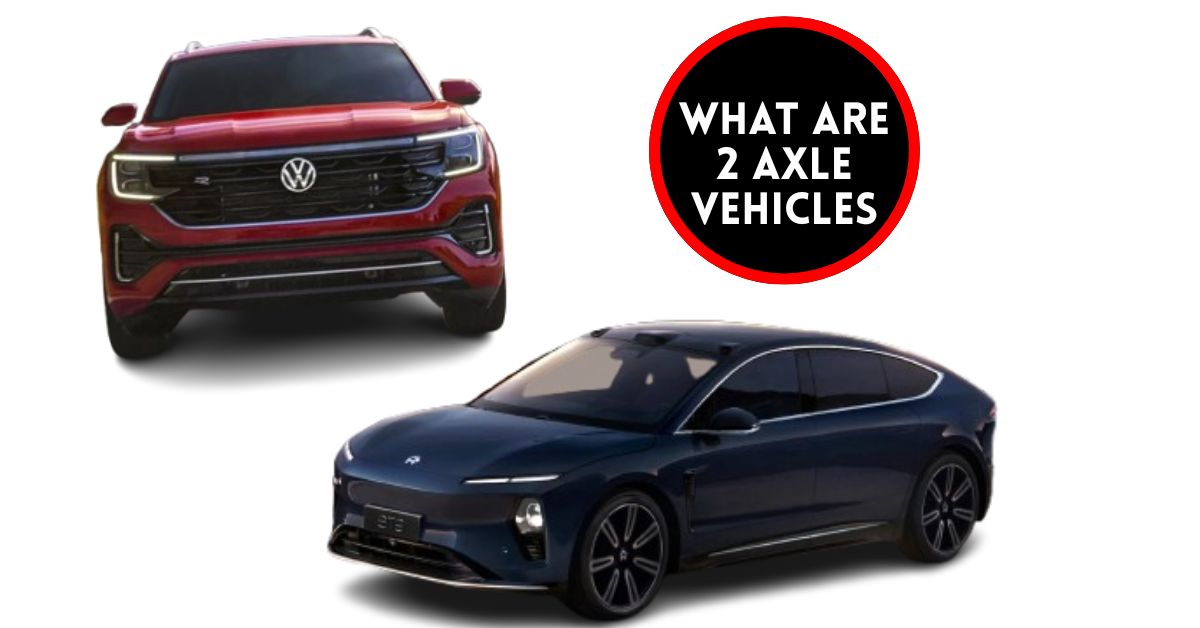
What are 2 axle vehicles? Simply put, these are vehicles with two sets of wheels—one in the front and one in the back—connected by axles. This basic setup is found in most everyday cars and small trucks. Whether it’s a small car driving through city roads or a pickup truck carrying supplies, the two-axle design is common because it’s practical, efficient, and works well for both people and cargo transport.
How Axles Work in a 2 Axle Vehicle
To understand how a vehicle works, it helps to know what axles do. An axle is a rod or shaft that connects two wheels. It either helps power the wheels (in a driven axle) or just lets them spin freely (in a non-driven or “dead” axle). In most 2 axle vehicles, the front axle handles steering, helping you control the direction of the car. The rear axle usually gets power from the engine and moves the car forward. But in front-wheel-drive vehicles, the front axle does both—steering and driving the wheels.
Why the 2 Axle Design Works So Well
The two-axle design is smart because it gives vehicles a good balance and easy handling. With wheels at the front and back, the car spreads its weight evenly, which helps with control, braking, and safety. When you steer, the front wheels turn to guide the car, and the back wheels follow to keep it steady. This setup makes it easier to turn and drive in tight spaces, which is why two-axle vehicles work great on busy city streets as well as curvy country roads.
Everyday Vehicles That Use a 2 Axle Setup
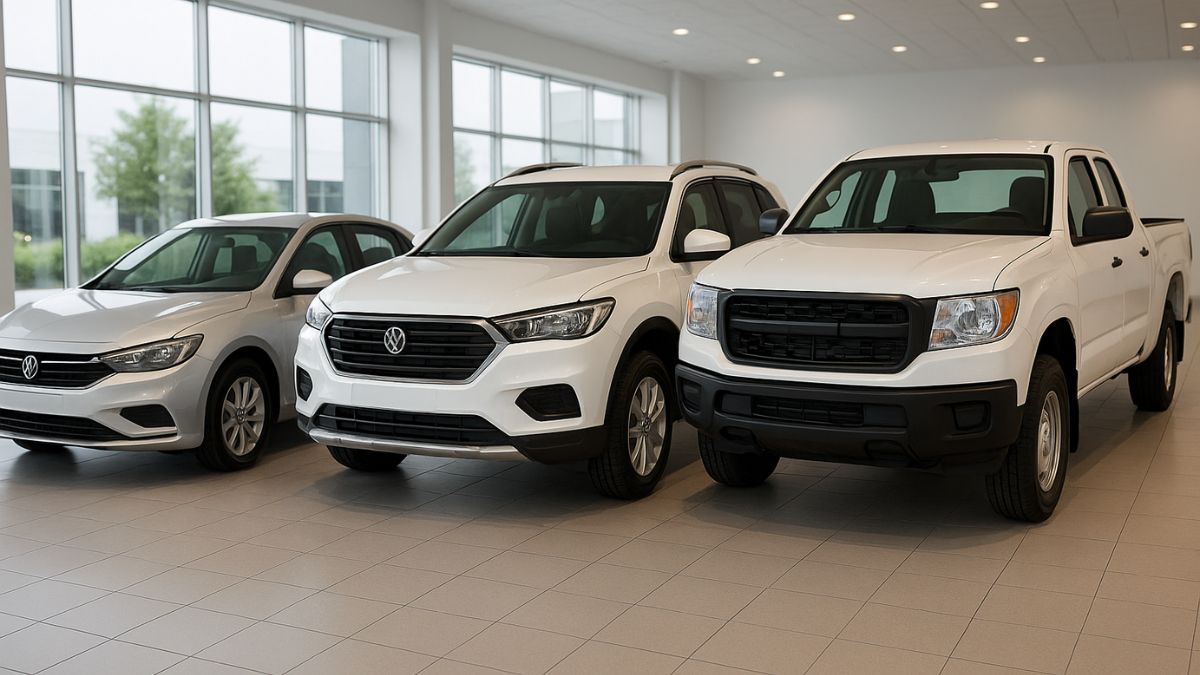
Think about the many types of vehicles that use a 2-axle design. The most common ones are regular passenger cars—like hatchbacks, sedans, and SUVs. Almost all personal vehicles have two axles because it’s the best setup for size, fuel efficiency, and comfort. These cars are made to carry a few people and their luggage, making them perfect for daily drives, family trips, or longer road journeys.
2 Axle Vehicles in the World of Light Commercial and Utility Use
Two-axle vehicles aren’t just limited to personal cars—they’re also widely used in the world of light commercial vehicles. A great example is the pickup truck. Known for their tough and durable design, pickup trucks usually have a body-on-frame construction that makes them strong enough to carry heavy loads in the truck bed. Despite their strength, they still handle well on the road, which is why they’re so popular for both work and everyday driving.
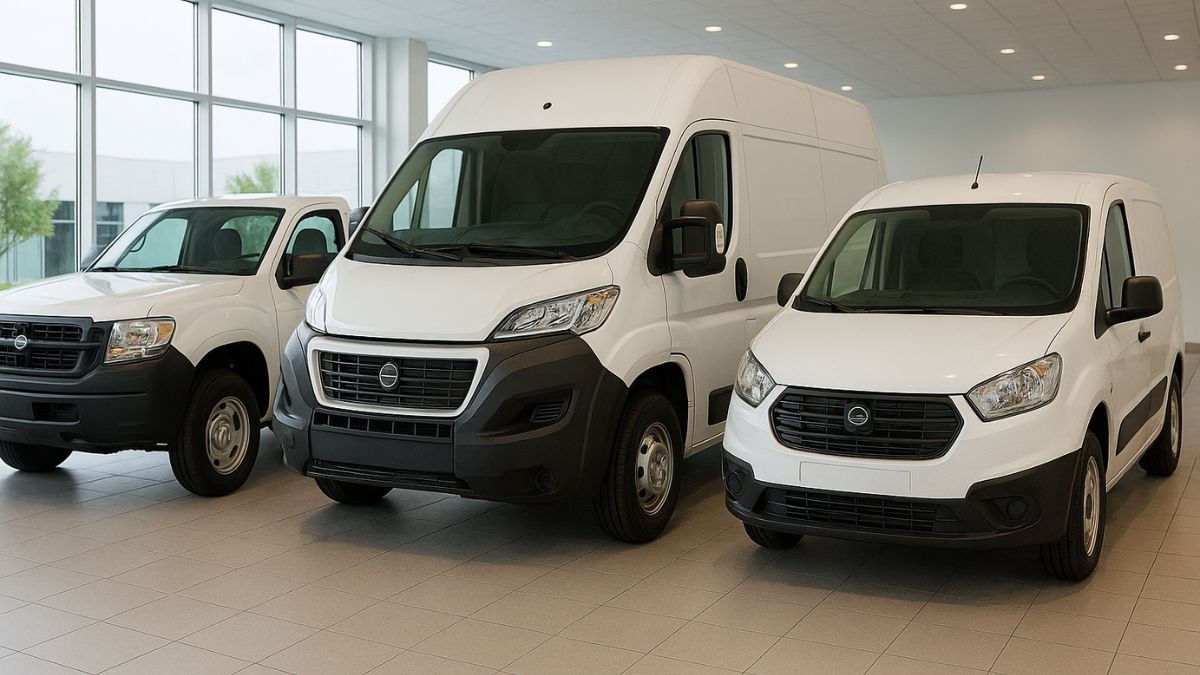
Delivery vans are another common type of 2-axle vehicle. You’ll often see them making their rounds in residential neighborhoods, bringing packages and supplies to homes and businesses. Their two-axle design helps them stay fuel-efficient and easy to drive, even when fully loaded. This setup is also found in many smaller recreational vehicles (RVs) and lighter utility vehicles, which need a balance of cargo space, comfort, and road handling. Whether for business or leisure, the two-axle design proves to be versatile and reliable.
Why 2 Axle Vehicles Are Cheaper to Build and Maintain
2-axle vehicles are more affordable because their simpler design means fewer moving parts, making them easier and cheaper to build, repair, and maintain. Since their parts are more common and less specialized, both manufacturers and owners save money, which adds to their popularity and everyday use.
How Rules and Road Laws Favor 2 Axle Vehicles
Rules about vehicle size and weight often depend on how many axles a vehicle has. Two-axle vehicles are usually in the lighter category, which means they follow simpler rules for things like licenses, tolls, and road use. Because of this, they’re better suited for personal driving and small business use, with fewer restrictions when it comes to using roads and bridges.
Why 2 Axle Vehicles Are the Backbone of Everyday Transportation
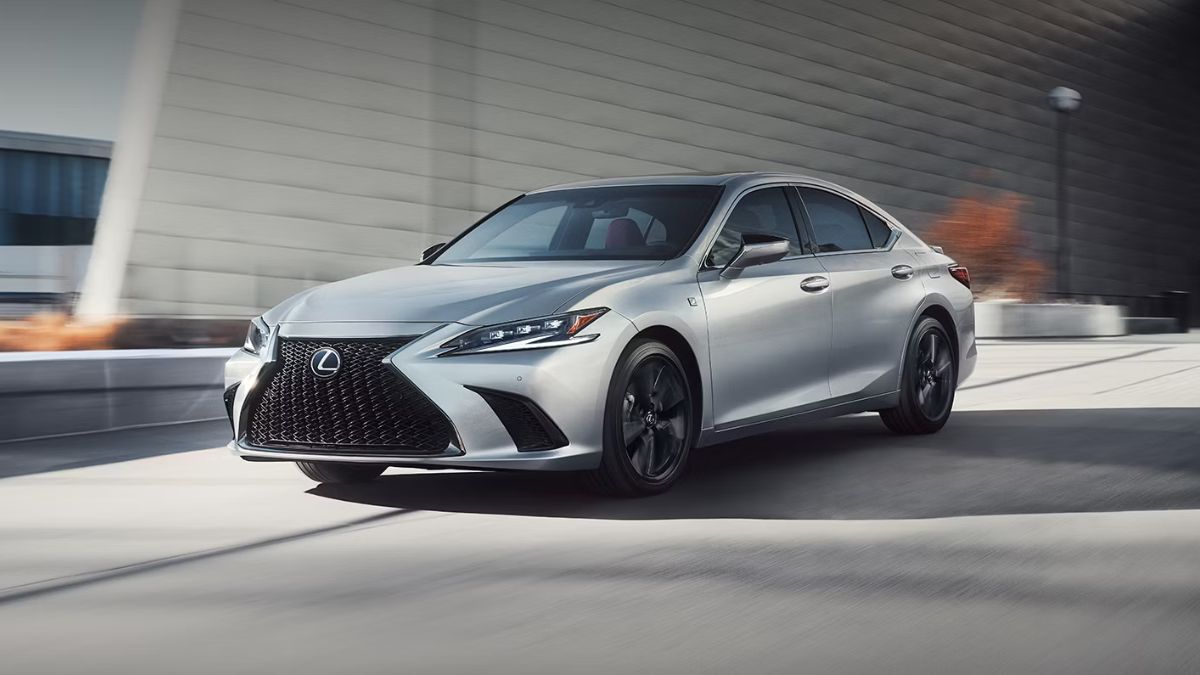
In simple terms, 2-axle vehicles are a great example of smart and practical design. They’re used in everything from family cars to small trucks because they offer a perfect mix of balance, reliability, and cost-effectiveness. This setup works well for most transportation needs, which is why it’s such an important part of how people and goods move around the world today.