
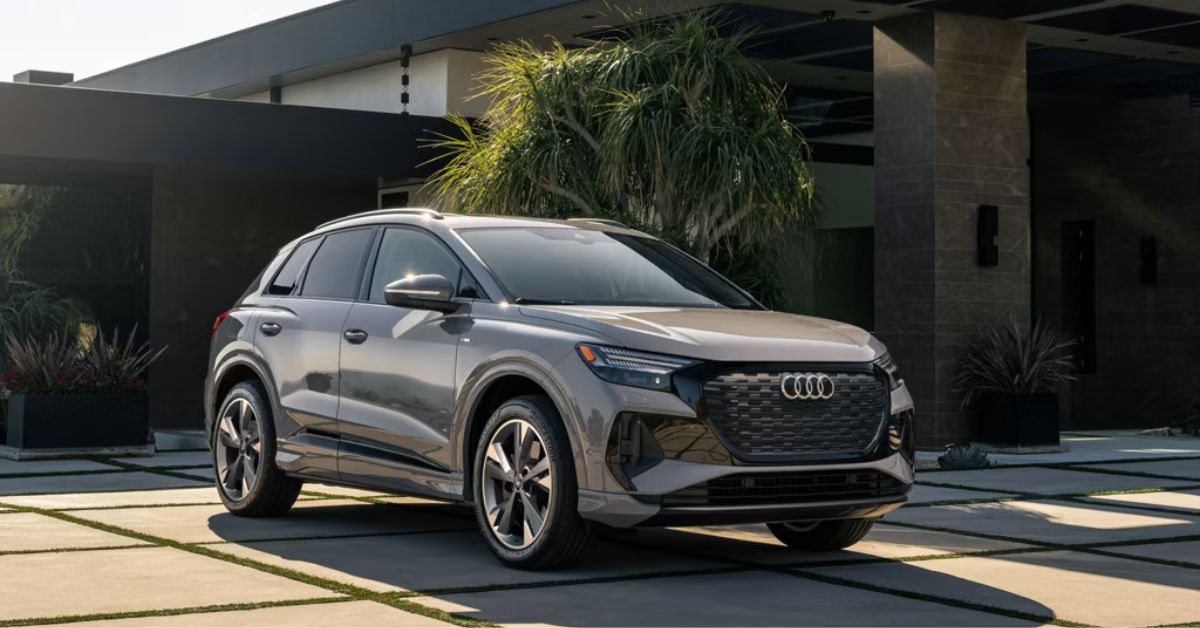
Do electric cars have AWD? Yes, many of them do, and their systems are often more advanced than those in gas-powered cars. The main job of AWD is still the same—giving better grip and stability by powering all four wheels—but electric cars do it in a different way. This setup not only improves performance but also brings unique benefits that traditional systems can’t match.
How AWD Works in Traditional Cars

In a traditional car, the all-wheel drive system relies on several mechanical parts. It uses a central engine, transmission, a long driveshaft, and differentials at the front and rear to send power to all four wheels. While this setup works well, it also makes the car heavier, more complicated, and can waste some energy due to friction in the gears and shafts.
How AWD Works in Electric Cars
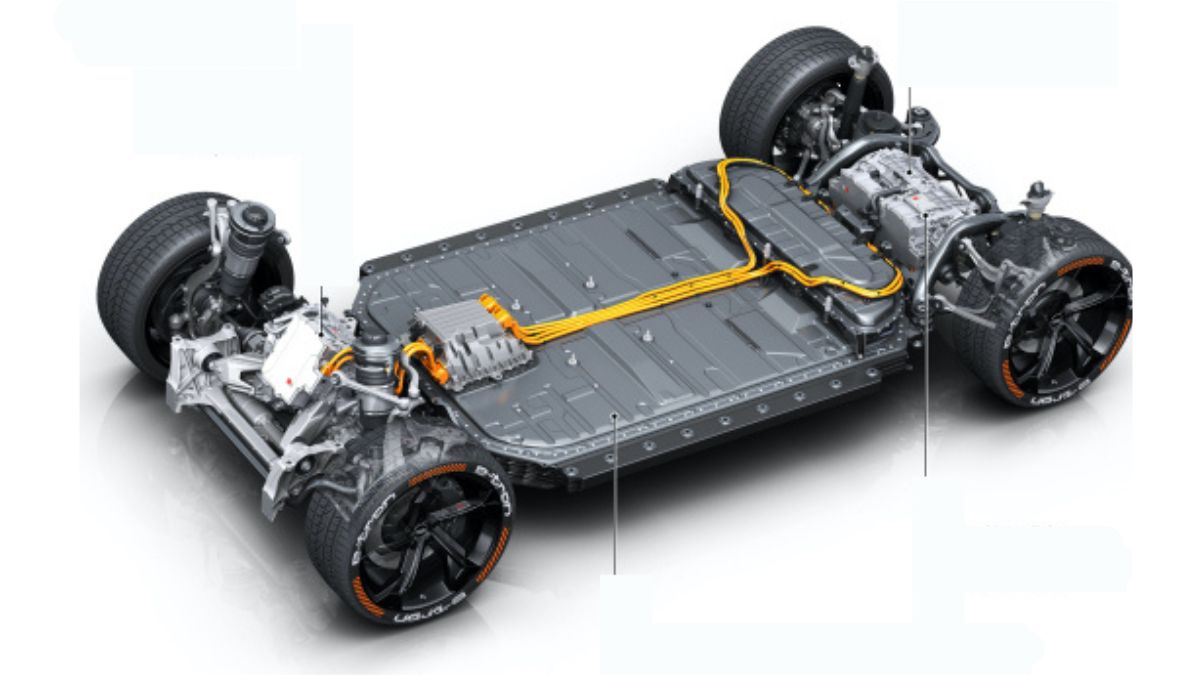
Electric vehicles take a simpler and more efficient approach. Instead of one big engine, many AWD EVs use two electric motors—one for the front wheels and one for the rear. This dual-motor setup makes all-wheel drive possible without heavy parts like a driveshaft or central differential. The power is divided right at the source and managed electronically with great accuracy.
The Power of Electronic Control in EVs
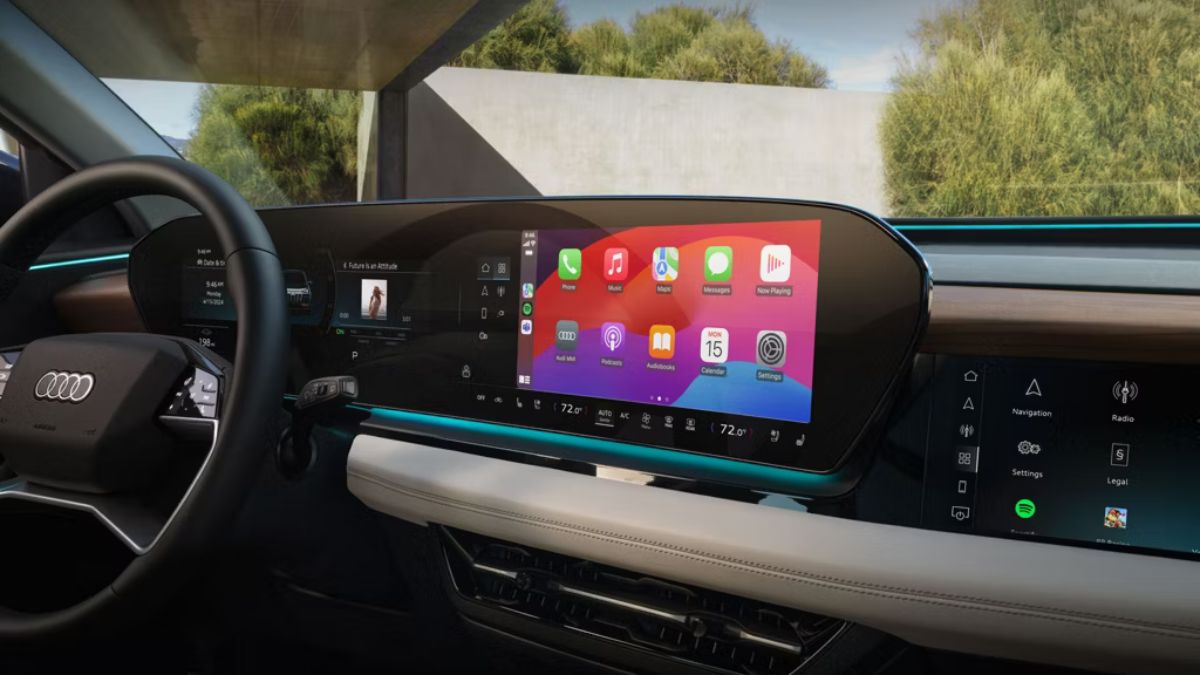
The real advantage of electric AWD comes from electronic control. The car’s computer can instantly adjust how much power each motor delivers. This process, called torque vectoring, allows the system to send the right amount of power to each wheel with incredible precision.
For example, if one wheel slips on a wet or icy surface, the system immediately reduces power to that wheel and redirects it to the wheels with better grip. This happens thousands of times per second, far quicker and more accurately than traditional mechanical systems. The result is smoother handling, stronger traction, and stability that almost feels unreal.
Performance Benefits of AWD in EVs
The advantages of this system aren’t limited to tough road conditions. Being able to control power at each axle also gives a big boost in performance. With instant torque from electric motors and the ability to deliver power to all four wheels at once, AWD EVs can accelerate extremely fast from a standstill. This is why many high-performance electric cars can reach 0–100 km/h (0–60 mph) in times that match or even beat some of the world’s fastest supercars.
Practical Advantages of Dual-Motor AWD in EVs
The simple design of dual-motor AWD in electric cars also makes them more practical. Without a bulky engine, driveshaft, or transmission tunnel, designers can create a flat floor and a roomier cabin. The battery pack, usually placed low in the chassis, lowers the car’s center of gravity. This not only improves handling but also reduces the chance of rollovers, making the vehicle more stable when cornering.
Things to Consider with Electric AWD
While electric AWD has clear benefits, there are a few trade-offs. Adding a second motor makes the car heavier and can use a bit more battery power, which may slightly reduce driving range. Still, for most drivers, the extra performance, safety, and all-weather capability are well worth it. To balance this, many carmakers design their systems to be efficient, using just one motor for regular driving and activating the second motor only when extra power or traction is needed.
Growing Availability of Electric AWD Cars
Electric cars with all-wheel drive are becoming more common every year. What used to be limited to luxury or high-performance models is now available in many types of EVs, from SUVs and crossovers to stylish sedans. In some models, AWD is even offered as standard. This shows that carmakers see electric AWD not just as a performance upgrade but as a key feature that improves the driving experience for more people.
Conclusion: The Future of Electric AWD
In conclusion, electric vehicles don’t just come with all-wheel drive—they bring a more advanced version of it. With the help of electric motors and precise electronic control, EVs offer a system that’s simpler, faster, and more effective than traditional mechanical setups. As technology improves, future EVs will likely have even smarter AWD systems, closing the gap between everyday cars and high-performance vehicles.