
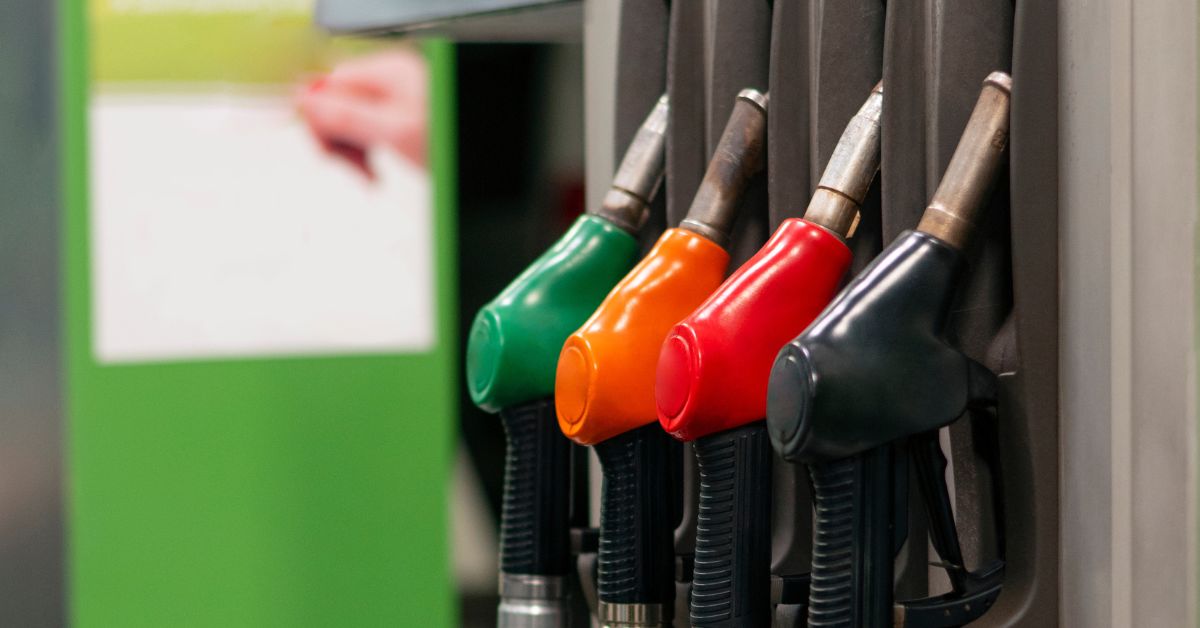
Alternative fuel vehicles are becoming more popular as we look for cleaner and more eco-friendly ways to travel. Instead of using regular gas or diesel engines, these vehicles run on different types of energy. This change isn’t about one perfect solution—it’s a mix of smart technologies, each with its own pros and cons. Let’s take a closer look at the most common types of alternative fuel vehicles to see how they work and what makes them unique.
Alternative Fuel Vehicles – Electric Vehicles (EVs)

Electric vehicles (EVs) are one of the most popular and widely talked-about alternatives to traditional fuel-powered cars. Instead of running on petrol or diesel, they use an electric motor powered by a rechargeable battery. One of the biggest advantages of EVs is that they produce zero emissions from the tailpipe, helping reduce air pollution in cities. There are a few different types of EVs you should know about:
- Battery Electric Vehicles (BEVs): These cars run completely on electricity and don’t have a petrol or diesel engine at all. They need to be charged using a home charger or a public charging station. BEVs offer a quiet, smooth drive with fast acceleration, but you’ll need to plan ahead for charging—especially on long trips.
- Plug-in Hybrid Electric Vehicles (PHEVs): These combine both an electric motor and a traditional fuel engine. You can drive short distances (usually 20–50 miles) using only electricity. After that, the petrol engine takes over, making them great for daily drives and longer journeys without worrying about running out of charge.
- Hybrid Electric Vehicles (HEVs): HEVs also have both an electric motor and a fuel engine, but they can’t be plugged in. The battery charges on its own while driving, using regenerative braking and the engine. They’re especially good for city driving because they save fuel in stop-and-go traffic.
Hydrogen Fuel Cell Vehicles (FCVs)
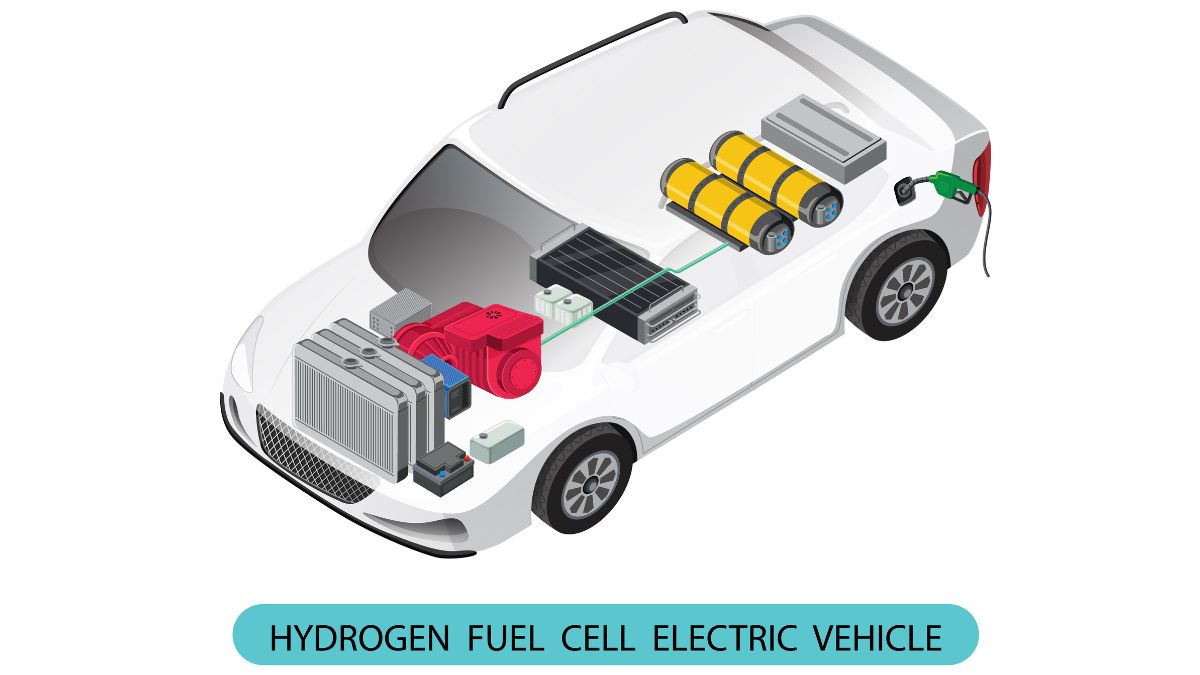
Hydrogen fuel cell vehicles are a unique type of electric car. Instead of using a big battery, they create electricity by combining hydrogen gas with oxygen in a fuel cell. The only thing that comes out of the tailpipe is water vapor, so they’re also zero-emission. One big benefit of FCVs is how fast they refuel—you can fill them up with hydrogen in just a few minutes, just like at a regular gas station. However, they face challenges like the lack of hydrogen refueling stations and the high cost of both the cars and the fuel.
Biofuel Vehicles
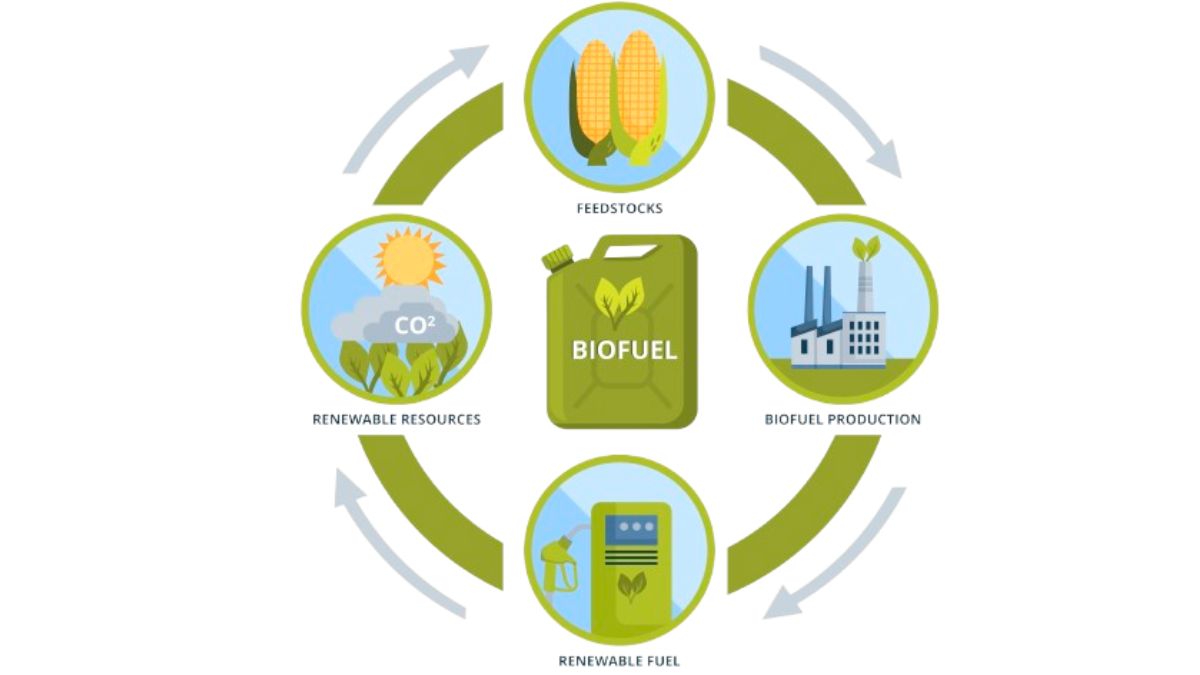
Biofuel vehicles run on fuels made from plants or natural waste materials. Since these fuels come from renewable sources, they’re better for the environment. The plants used to make biofuels absorb carbon dioxide as they grow, which helps balance out the emissions released when the fuel is burned. There are two main types of biofuels:
- Ethanol: This fuel is made from crops like corn or sugarcane. It’s often mixed with regular petrol to create blends like E10 (10% ethanol) or E85 (85% ethanol). Cars called “flex-fuel vehicles” are designed to run on these blends.
- Biodiesel: Made from things like vegetable oil, animal fat, or used cooking grease, biodiesel is a cleaner option compared to regular diesel. It can be used on its own or mixed with regular diesel in certain engines and helps reduce air pollution and harmful exhaust emissions.
Natural Gas Vehicles
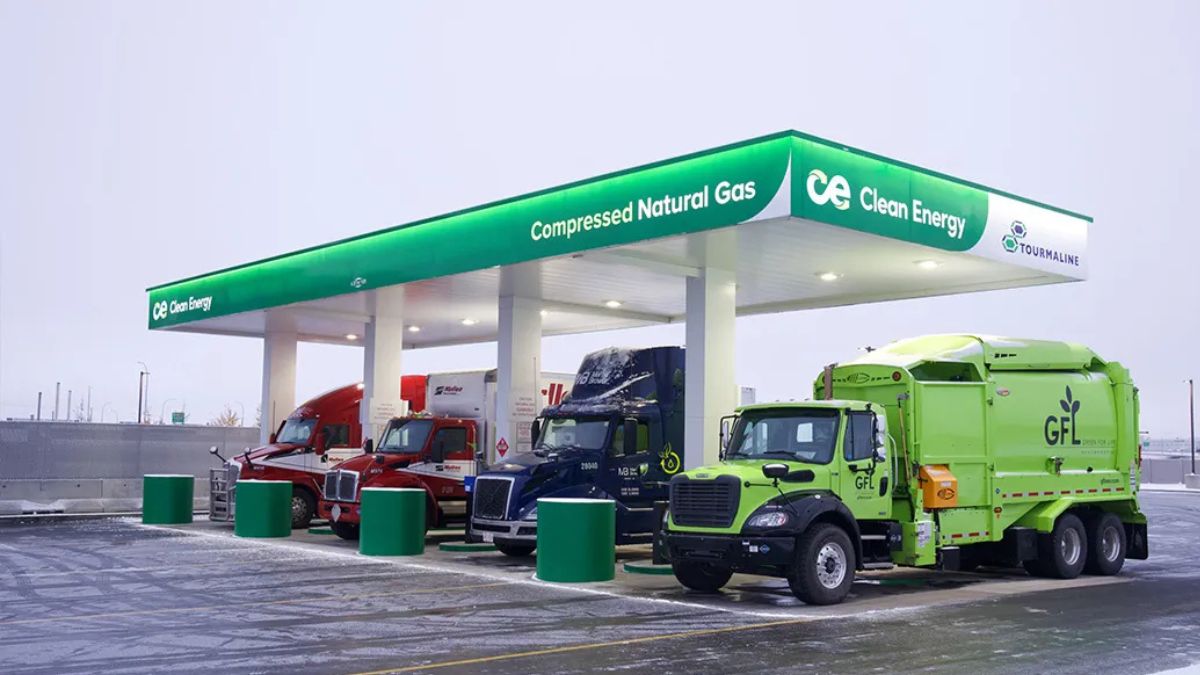
Natural gas vehicles (NGVs) run on compressed natural gas (CNG) or liquefied natural gas (LNG). Even though natural gas is still a fossil fuel, it burns much cleaner than petrol or diesel, producing fewer greenhouse gases and harmful emissions. You’ll often see CNG vehicles used in commercial fleets like buses or delivery trucks because the fuel is cheaper and they can refuel at a central station. These vehicles store the gas in special high-pressure tanks, and their engines are built to run safely and efficiently on this type of fuel.
Propane Vehicles
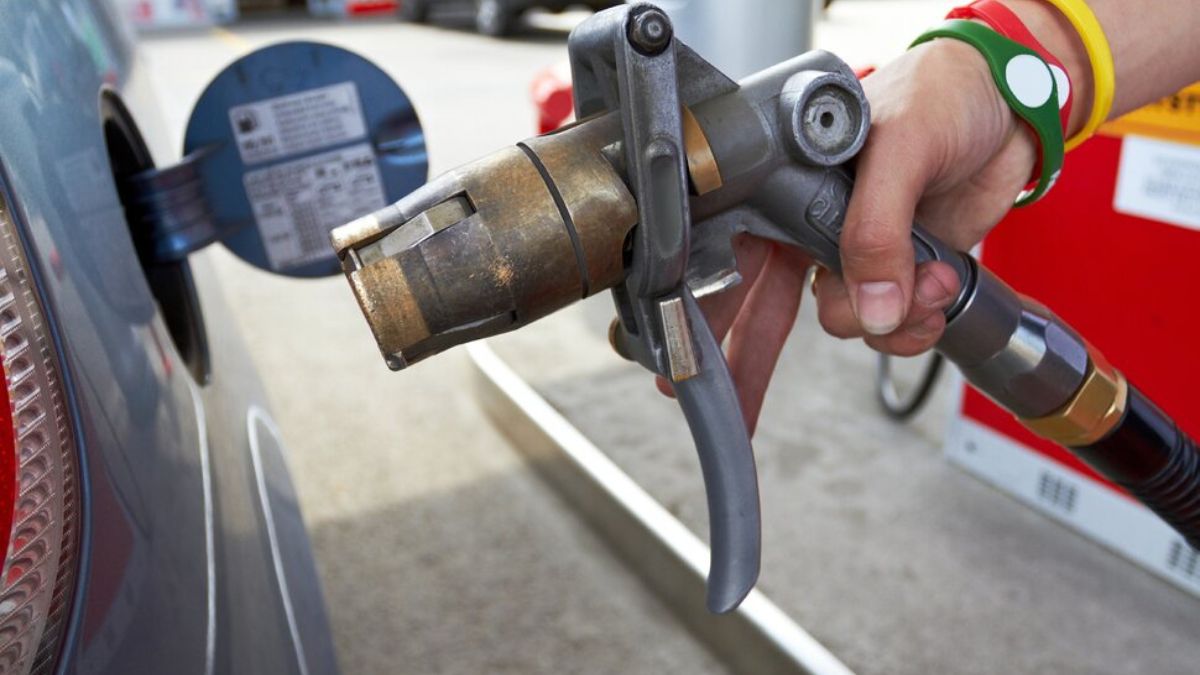
Propane vehicles, also called LPG (Liquefied Petroleum Gas) vehicles, use a fuel that comes from natural gas processing and oil refining. Propane burns cleaner than gasoline, producing fewer harmful emissions and greenhouse gases. It’s been used as a vehicle fuel for many years, especially in fleet vehicles like taxis, school buses, and some personal cars. Propane is stored in a pressurized tank, and the engine is either specially made or converted to run on it. Thanks to its lower cost and easy availability, propane is a practical alternative fuel choice.
Moving Toward a Greener Future
Each type of alternative fuel vehicle offers a unique way to help reduce pollution and make transportation more eco-friendly. Right now, electric vehicles are the most popular among everyday drivers, but other options like biofuels, hydrogen, and cleaner-burning fuels are also making progress. There’s no one-size-fits-all answer to our energy problems, so it’s important to keep exploring and improving all of these options. Together, they play a big role in creating a cleaner, more sustainable future for transportation.