
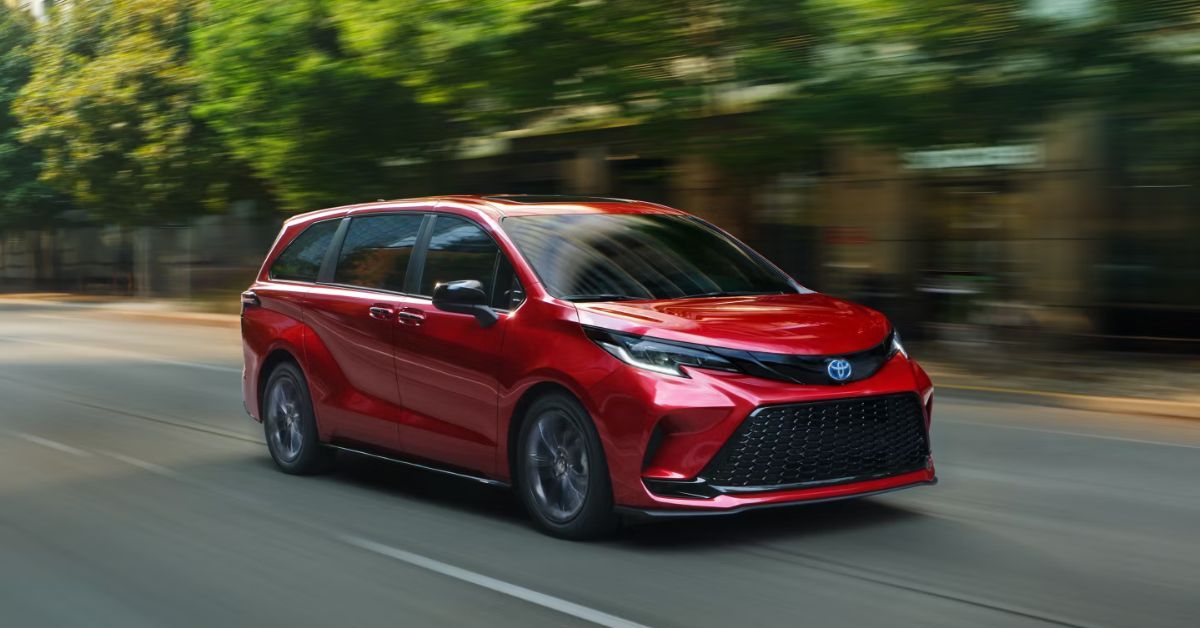
Passenger vehicles are the most common way people travel today. They are designed to carry individuals or small groups along with their belongings from one place to another. Unlike trucks that transport goods or buses that carry large groups, passenger vehicles focus on comfort, convenience, and flexibility for everyday personal use.
Definition of a Passenger Vehicle
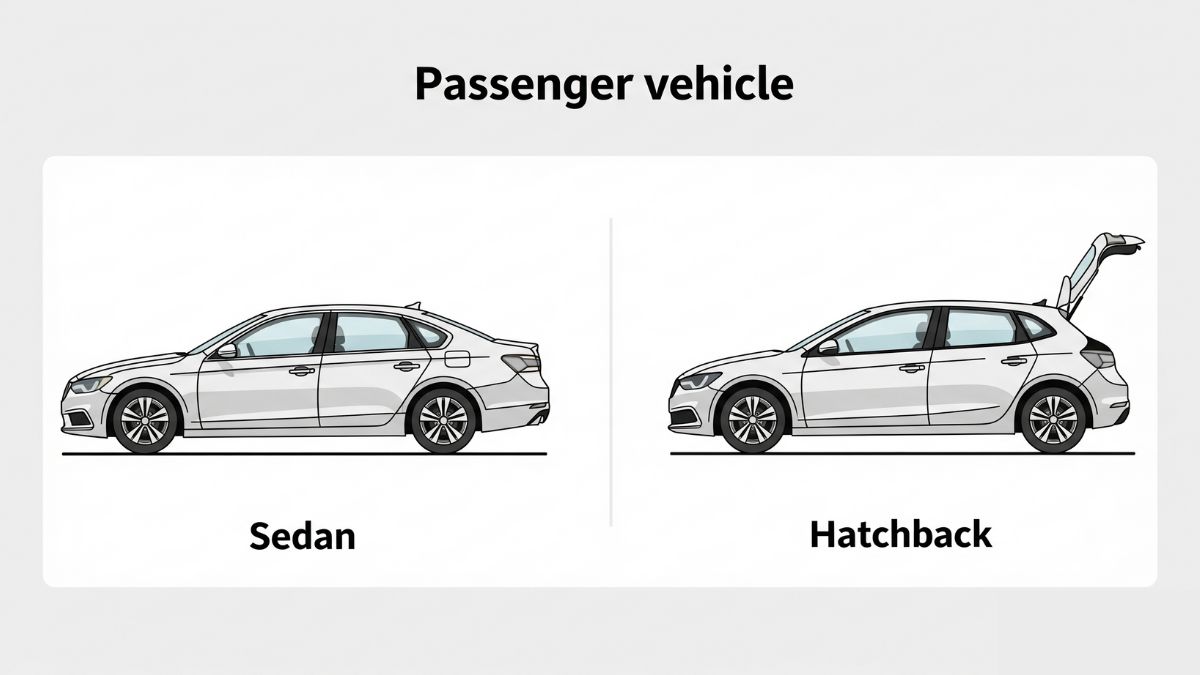
The definition of a passenger vehicle covers many types and sizes, each designed for different needs. The most common type is the sedan, a four-door car with a separate trunk. People often choose sedans for their good fuel efficiency, smooth driving experience, and reliability for daily commutes or family trips. Another popular type is the hatchback. Unlike sedans, hatchbacks have a rear door that lifts upward, giving easy access to a combined passenger and cargo space. This makes them a great choice for those who often carry bigger or bulkier items.
Sport Utility Vehicles (SUVs)
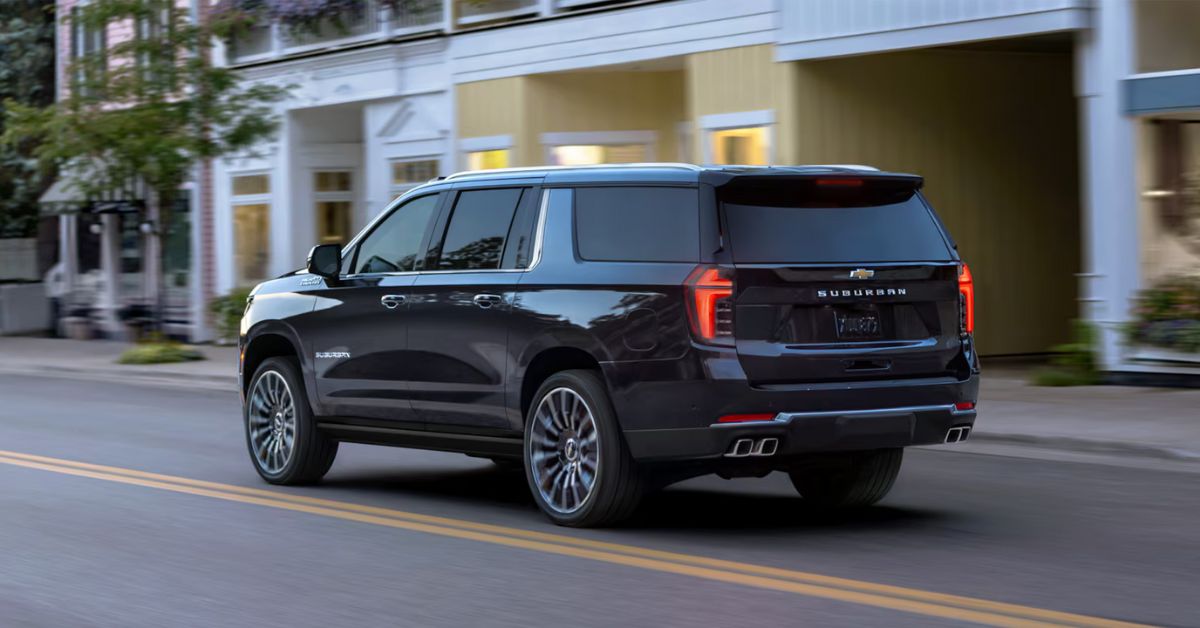
Another important type of passenger vehicle is the sport utility vehicle, or SUV. Over the past few decades, SUVs have become very popular because they combine the comfort of a car with the strength of a truck. They usually provide more space inside, a higher driving position, and often come with all-wheel or four-wheel drive. This makes them reliable for different road conditions and tough weather. Thanks to their versatility, SUVs are a favorite choice for both families and adventure lovers.
Minivans
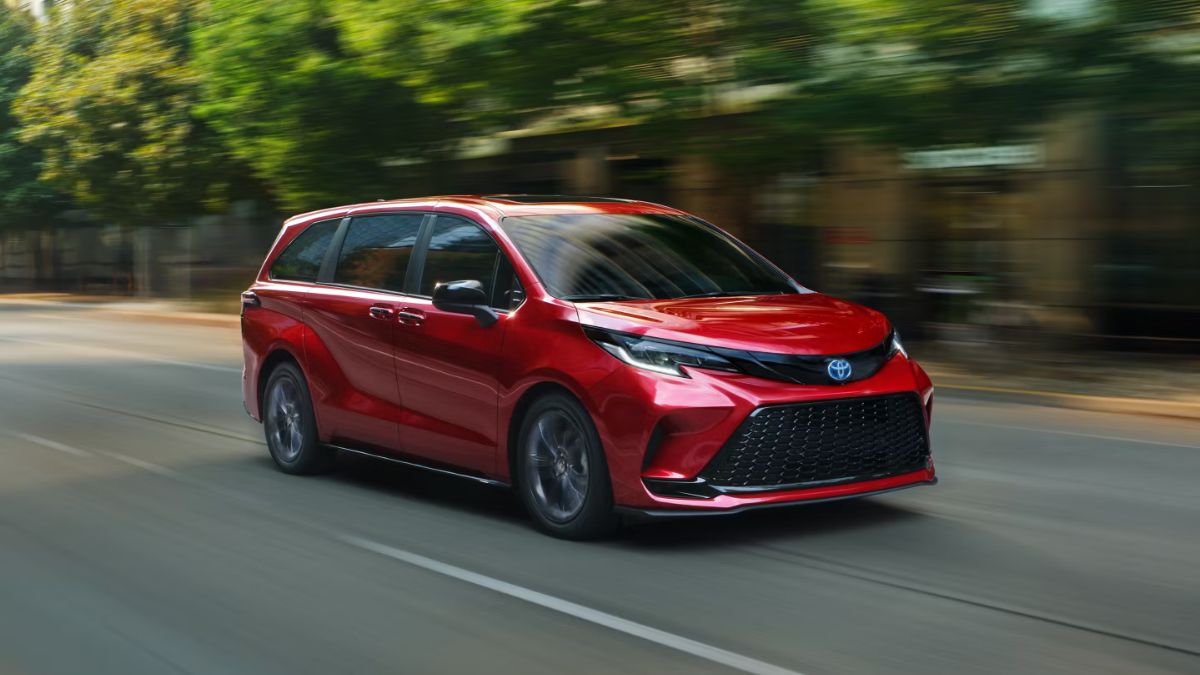
The minivan may not be as stylish as an SUV, but it’s hard to beat when it comes to practicality for big families. With sliding doors and a roomy, flexible interior, it’s built to carry lots of passengers and cargo with ease. Minivans often include third-row seating and plenty of storage space, making them perfect for family road trips and everyday tasks like school runs or grocery shopping.
Other Types of Passenger Vehicles
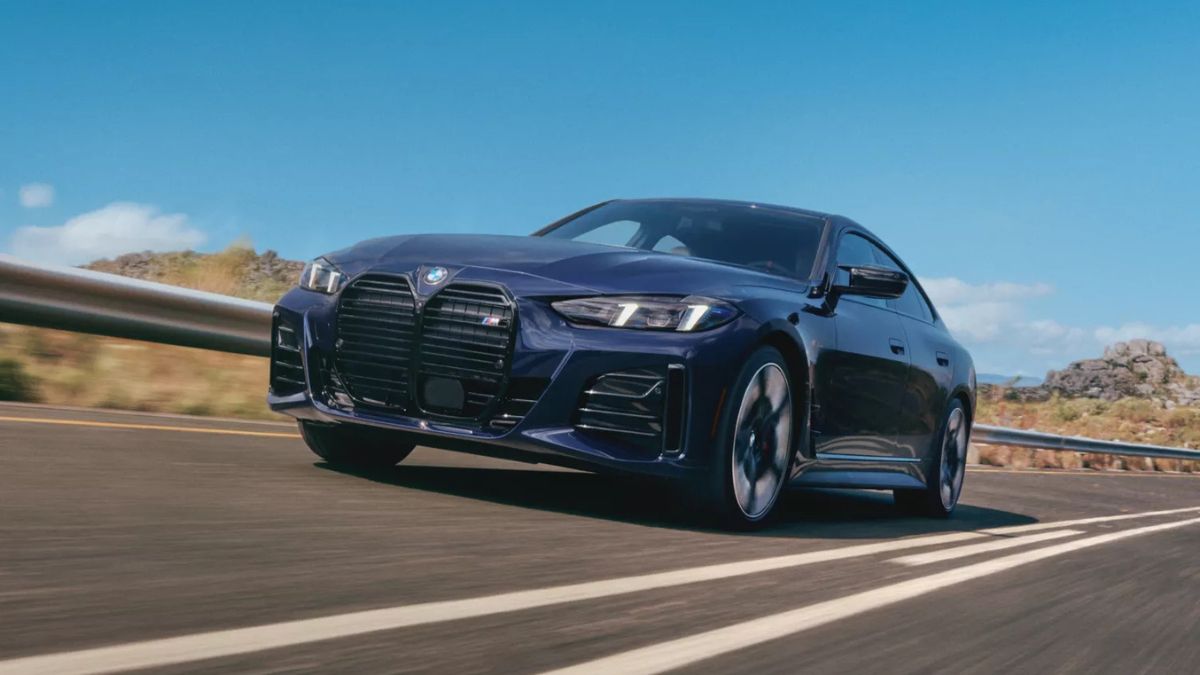
Apart from the common options, there are several other types of passenger vehicles. The coupe is a two-door car known for its stylish, sporty look and strong performance. The convertible comes with a retractable roof, giving drivers the thrill of open-air driving focused on fun and leisure. The station wagon blends the smooth handling of a sedan with the extra cargo space of an SUV, making it a practical yet stylish choice for many drivers.
Evolution of Passenger Vehicle Technology
The development of passenger vehicles isn’t just about changes in shape and size, but also about the technology that powers them. For more than a hundred years, most vehicles have relied on internal combustion engines that run on gasoline or diesel.
Today, things are shifting quickly. Hybrid cars, which use both a traditional engine and an electric motor, give better fuel efficiency. Fully electric vehicles (EVs), powered only by batteries, are becoming more common. They produce no tailpipe emissions and offer a quiet, smooth driving experience. This move toward electrification is transforming the auto industry, with a stronger focus on sustainability and reducing environmental impact.
The Role of Passenger Vehicles
Passenger vehicles are more than just a way to get from one place to another. They represent freedom and independence, allowing people to travel, connect with loved ones, and go about daily life without relying on public transport schedules. For many, a car also reflects their personality and is one of their most valuable possessions. Comfort features, safety systems, and design choices all add to a unique driving experience. Whether it’s an affordable, reliable model or a luxury car built for performance and comfort, the options available are wide and varied.
Conclusion on Passenger Vehicles
In simple terms, a passenger vehicle is a carefully designed machine built to meet our basic need for personal mobility. It supports work, family life, and leisure while also reflecting the technology and lifestyle of its time. As these vehicles continue to evolve, we can expect them to become even safer, more efficient, and more enjoyable to use in the future.