
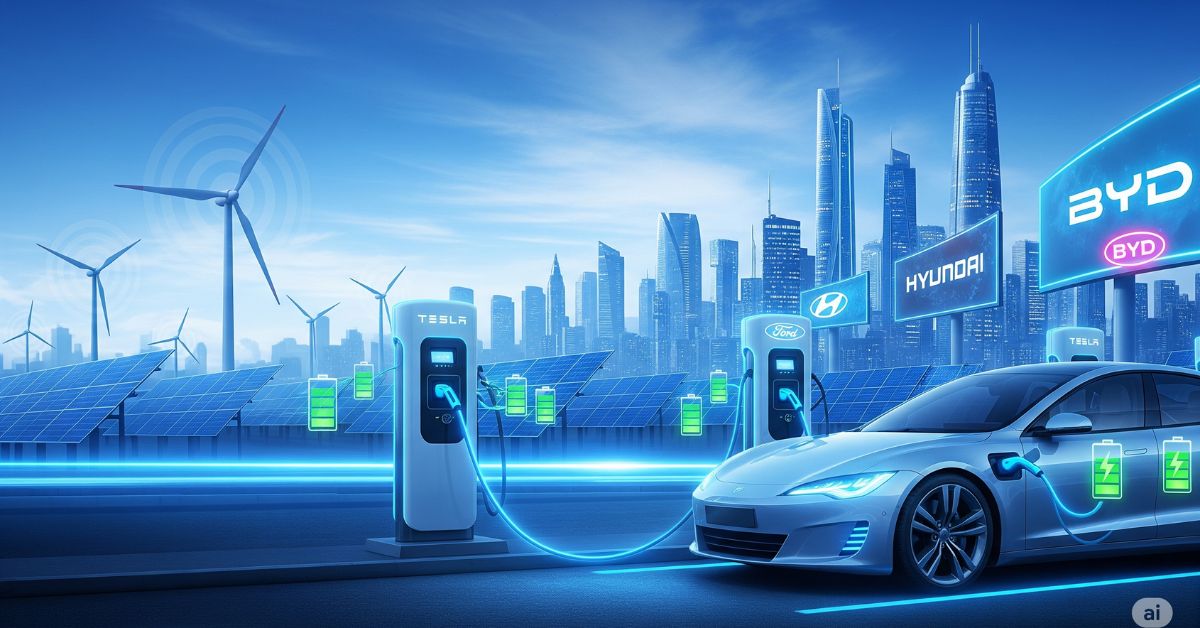
Will electric vehicles take over? It’s no longer a matter of “if” but “when” and “how.” The car industry is going through a major shift as the traditional internal combustion engine (ICE), which has ruled for over 100 years, now faces strong competition from electric motors. This change is fueled by global climate goals, new technology, and evolving consumer preferences. While challenges remain, the push toward EVs is clear and points to a future where they become the main choice for personal transportation.
Environmental Benefits Drive the EV Shift
The biggest reason behind the rise of electric vehicles is the environment. Both governments and consumers are becoming more aware of the need to cut carbon emissions. EVs produce no tailpipe emissions, which helps improve air quality, especially in cities. Even though some electricity for charging still comes from fossil fuels, an EV usually has a lower carbon footprint than a gas-powered car over its lifetime. This makes them very appealing and is why policymakers support EV adoption with incentives like tax credits and subsidies.
Technology Is Speeding Up the EV Transition
Technology is moving the shift to electric vehicles even faster. Battery improvements now give cars longer ranges and quicker charging, easing one of the biggest worries buyers had—running out of power on long trips. At the same time, battery costs, once the priciest part of an EV, are dropping as production grows. This makes electric cars more affordable and competitive with gas vehicles, especially when you factor in their lower fuel and maintenance costs over time.
Leading Electric Car Brands
It’s important to point out some of the electric car brands that are setting the pace right now. These companies aren’t just selling strongly; they’re also showing how versatile and attractive electric vehicles can be.
Tesla
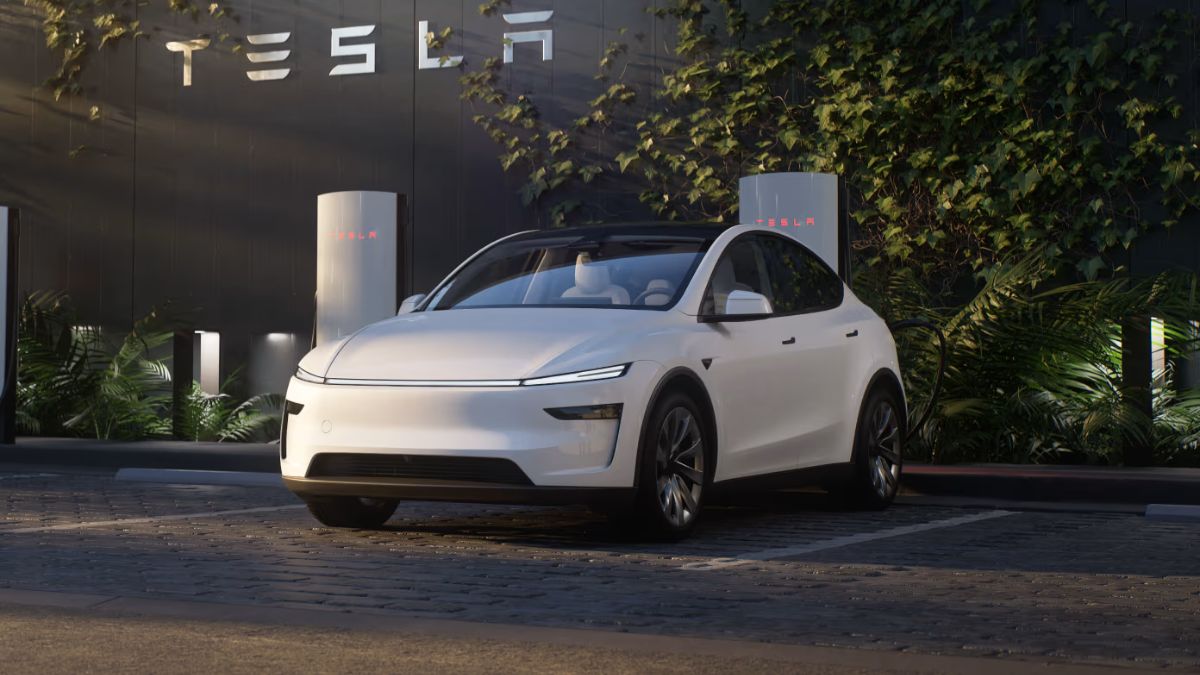
This American brand is seen as the pioneer of modern electric cars and has changed the auto industry in a big way. Tesla is famous for its fast, high-performance cars, its wide Supercharger network, and its smart software features that get regular updates.
Hyundai
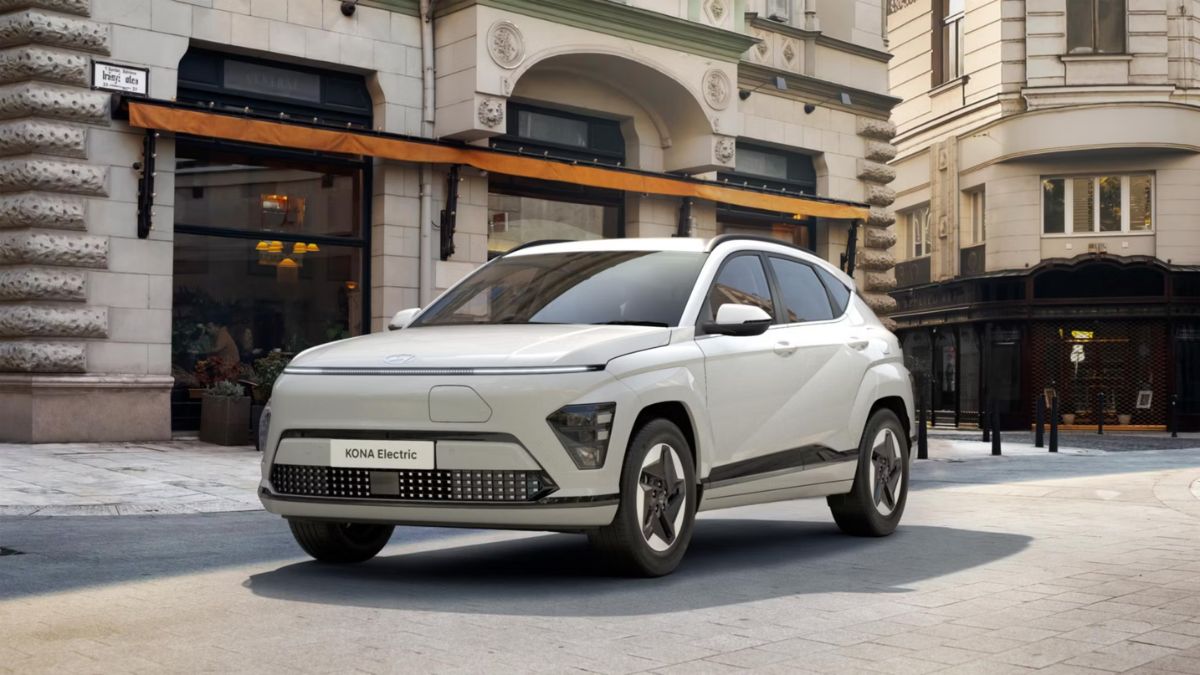
This leading South Korean carmaker has made a strong mark in the EV market with modern designs and advanced battery technology. Hyundai’s electric cars are known for fast charging, roomy interiors, and plenty of features—all offered at competitive prices.
Ford
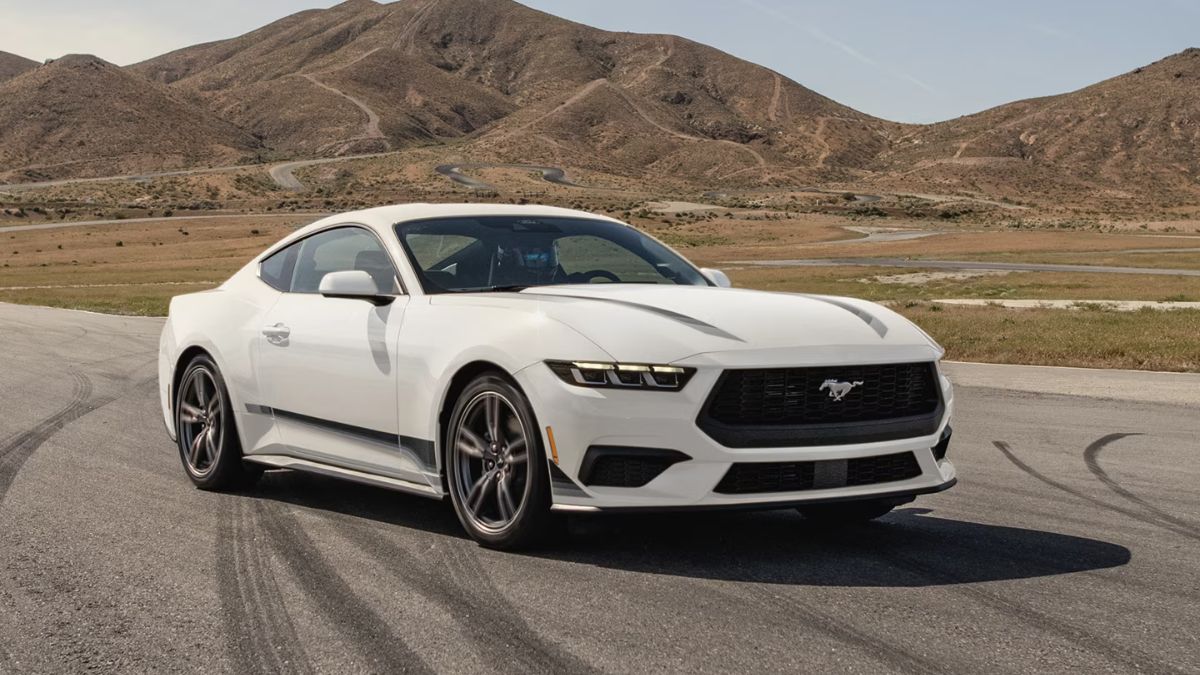
A long-time leader in the car industry, Ford has stepped into the electric era by turning some of its most iconic models into EVs. By pairing well-known, trusted names with electric power, the brand has made EVs more appealing and easier for more people to accept.
BYD
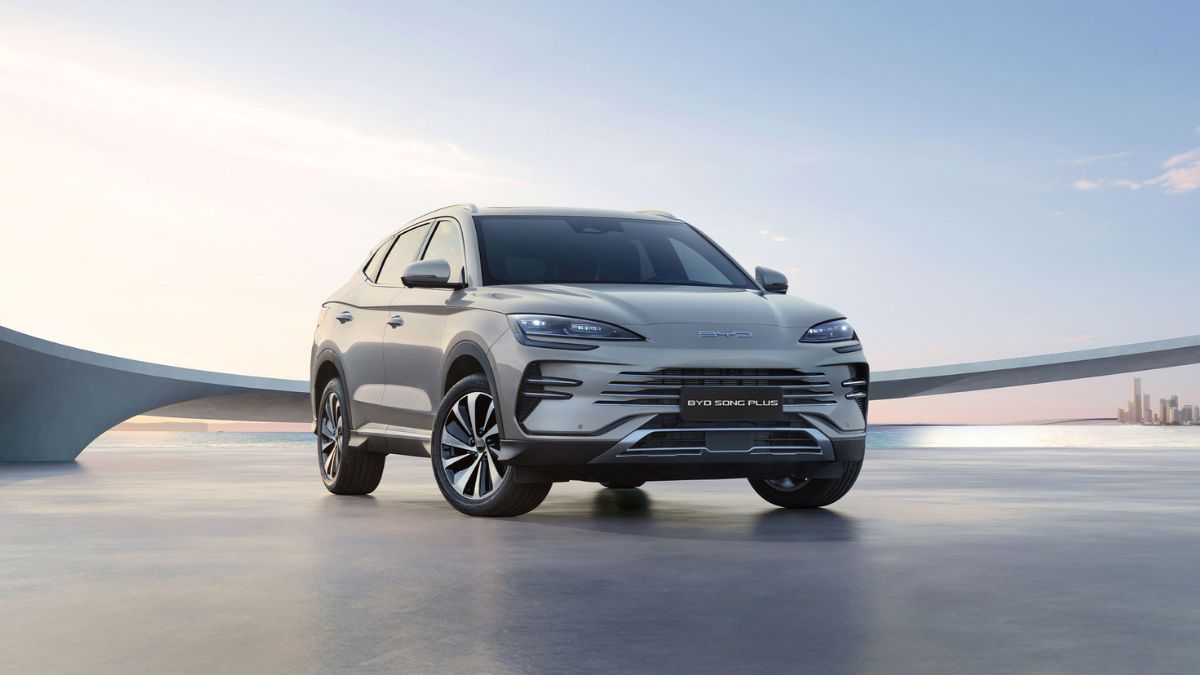
Based in China, BYD (Build Your Dreams) has grown into a global leader in the EV market. Since the company makes everything from the batteries to the finished cars, it can offer a wide and fast-growing range of electric vehicles at competitive prices, making it a strong competitor worldwide.
Challenges in the EV Transition
Even with all the progress, the shift to electric vehicles still faces challenges. The biggest hurdle is charging infrastructure. While charging stations are increasing, they’re still not as common or convenient as gas stations. This is a real issue for people living in apartments or without a private garage for home charging. Charging speed is another concern—fast chargers are improving, but they still take longer than filling up at a gas pump.
Another challenge is the supply of raw materials like lithium and cobalt, which are needed for batteries. Their mining raises both environmental and ethical concerns. Automakers are working on developing more sustainable and widely available battery options, but it’s a complex problem that will take time to solve.
The Future Belongs to Electric Vehicles
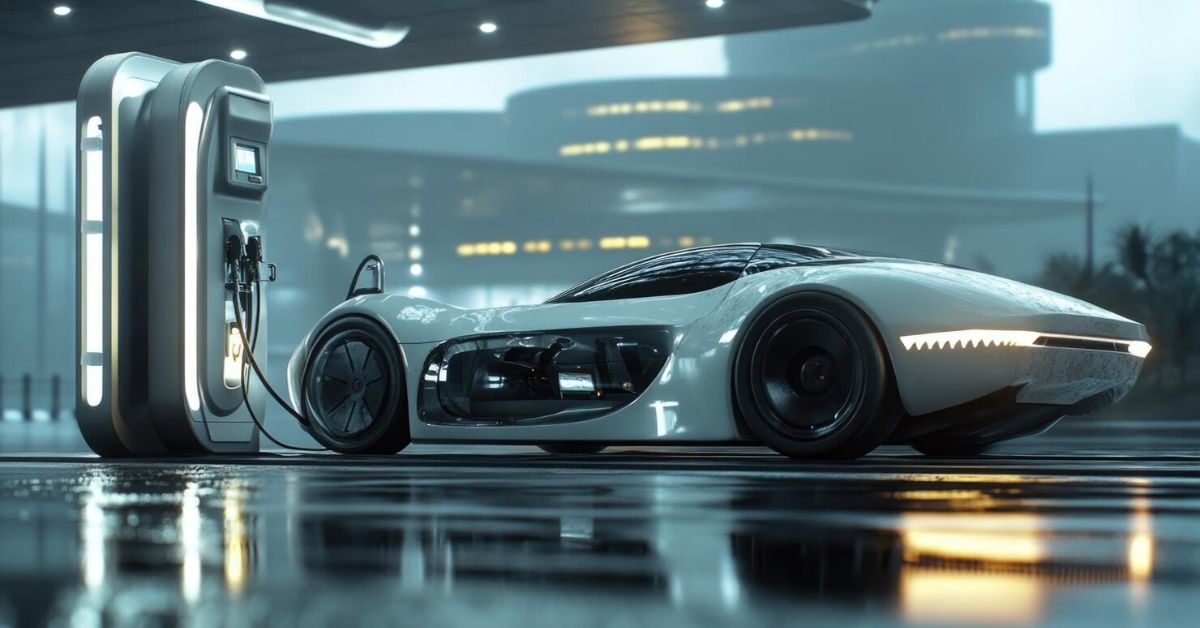
In conclusion, the question of electric vehicles taking over is no longer about possibility but about timing. Their advantages—cleaner emissions, lower running costs, and a smooth driving experience—are becoming clear to more people. With better batteries, falling prices, and more charging stations, the benefits of gasoline cars will continue to fade. The shift is already underway, and while it may take decades for a full transition, the path is set. EVs aren’t just a short-term trend—they represent a major change in transportation, offering a cleaner, quieter, and more sustainable future.