
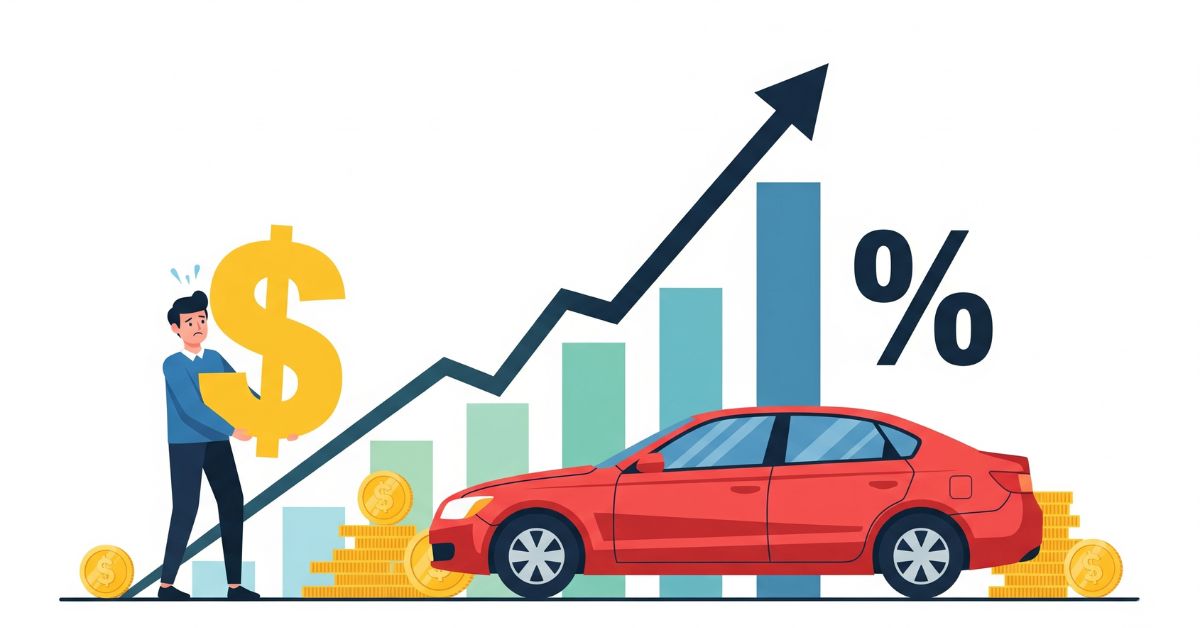
Why are new vehicles so expensive? It’s a question many car buyers ask today. Prices have gone up so much that even standard models feel out of reach compared to ten years ago. It’s not just luxury cars anymore. The rise comes from a mix of economic changes, new technology, and supply chain challenges. All these factors together have pushed the cost of owning a new car much higher.
Rising Raw Material and Manufacturing Costs
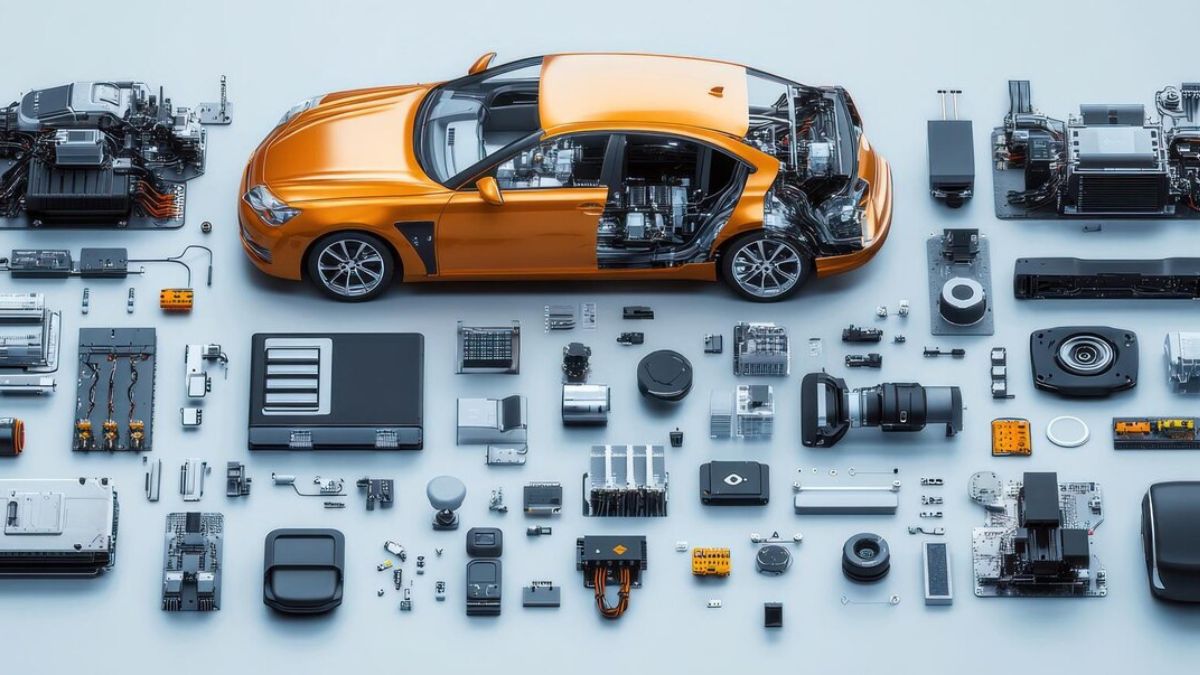
The first big reason is the rising cost of raw materials and manufacturing. Essential materials like steel, aluminum, and plastics have become more expensive because of global inflation and supply chain issues. On top of that, energy costs for running factories and higher wages for skilled workers add to the burden. While automakers take on these costs at first, they eventually pass them down to buyers. These aren’t small changes either—prices have gone up across the board, affecting everything from the car’s frame to its interior parts.
Technology Adds to the Price
Another major factor behind rising car prices is the amount of technology built into modern vehicles. Today’s cars are often described as “computers on wheels.” They come with advanced infotainment systems, large touchscreens, real-time navigation, Wi-Fi, and other connected features that used to be rare.
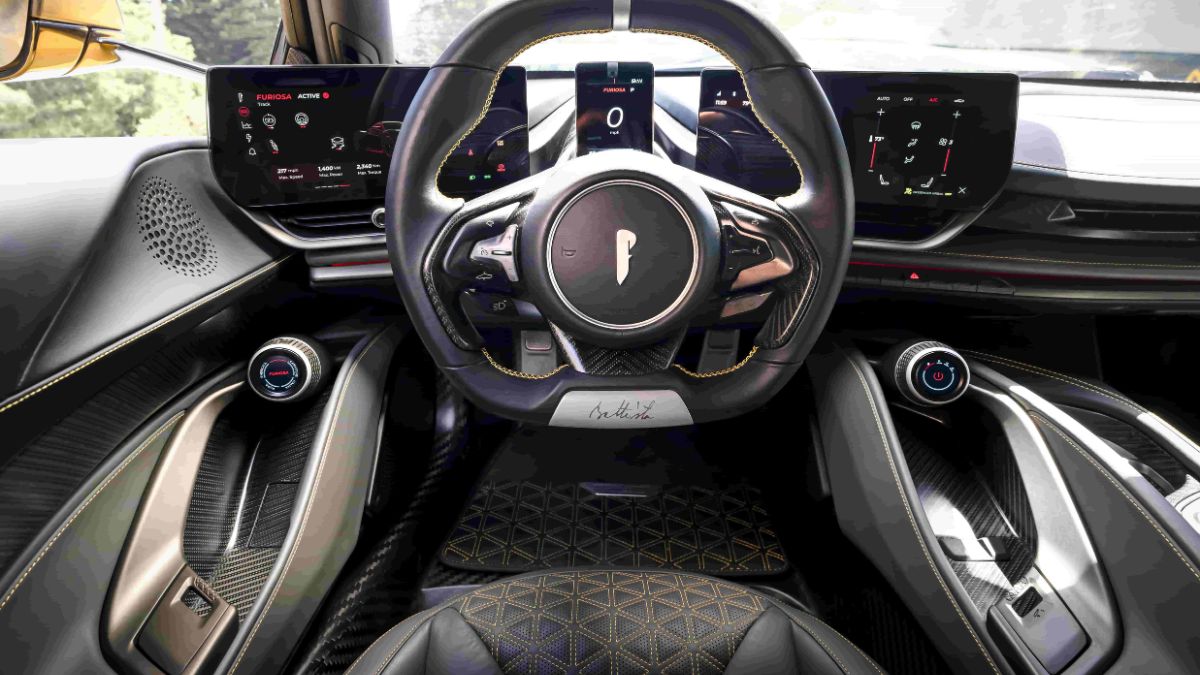
On top of that, many convenience and comfort options that were once considered luxuries are now common. Things like heated and ventilated seats, power liftgates, and premium sound systems all add to the cost. These aren’t simple mechanical parts—they are complex electronic systems that need heavy research, development, and expensive components, which raises the final price of a car.
Safety and Driver-Assistance Features Increase Costs
One of the biggest reasons new cars are more expensive is the growth of advanced driver-assistance systems (ADAS) and safety features. Things like automatic emergency braking, lane-keeping assist, pedestrian detection, and adaptive cruise control are now common, and in many cases required by safety laws.
These systems depend on costly hardware such as cameras, radar sensors, and powerful processors. Automakers also spend heavily on software development to make them run smoothly. While these features make cars much safer, they also add a significant extra cost that older vehicles didn’t have.
Electric Vehicles and Hybrid Technology Drive Up Prices
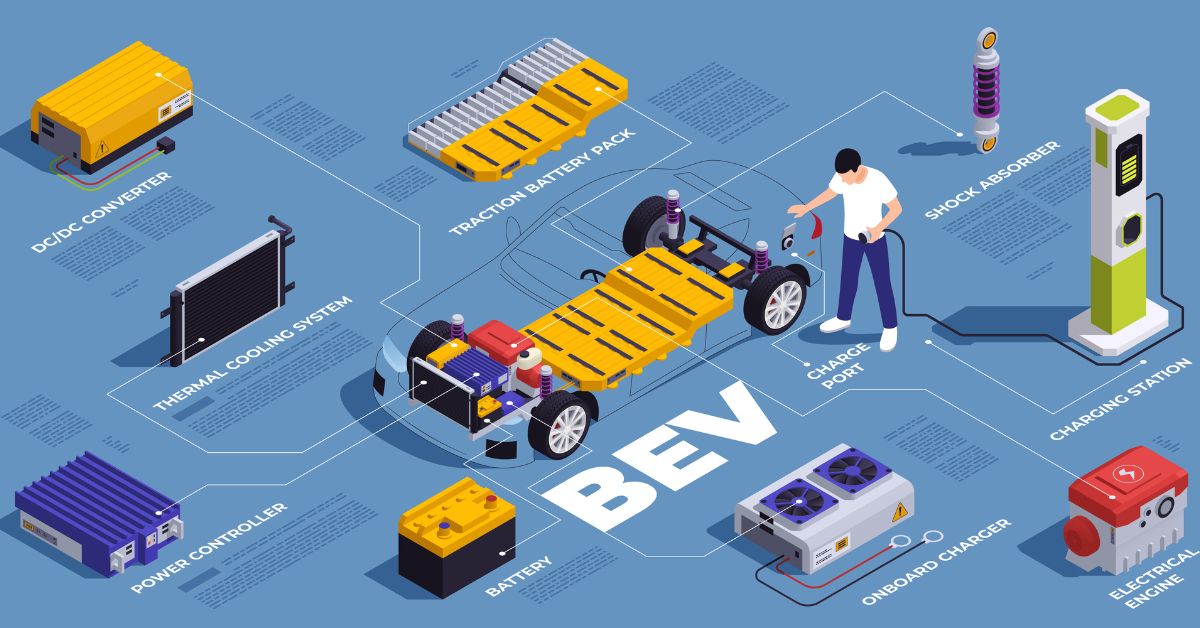
The move toward electric vehicles (EVs) and hybrids is another big reason car prices are rising. While EVs can be cheaper to run over time, their upfront cost is usually higher. The main factor is the battery, which relies on expensive materials like lithium, cobalt, and nickel that are difficult and costly to mine and process. On top of that, automakers are investing billions in battery research and new factories to meet demand, and those expenses are built into the final price of the car.
Supply Chain Issues Push Prices Higher
Supply chain problems have had a huge impact on the car market. A clear example is the global semiconductor chip shortage that started a few years ago. These chips are crucial for many parts of a vehicle, from engine control systems to infotainment screens. When chip production slowed down, it disrupted car manufacturing, which meant fewer new cars were available.
This shortage, combined with steady demand from buyers, created a classic supply-and-demand imbalance that pushed prices to record levels. Although the chip shortage has eased, other supply chain issues remain. Rising costs for shipping and logistics still add pressure to car prices today.
Inflation and Rising Costs of Ownership
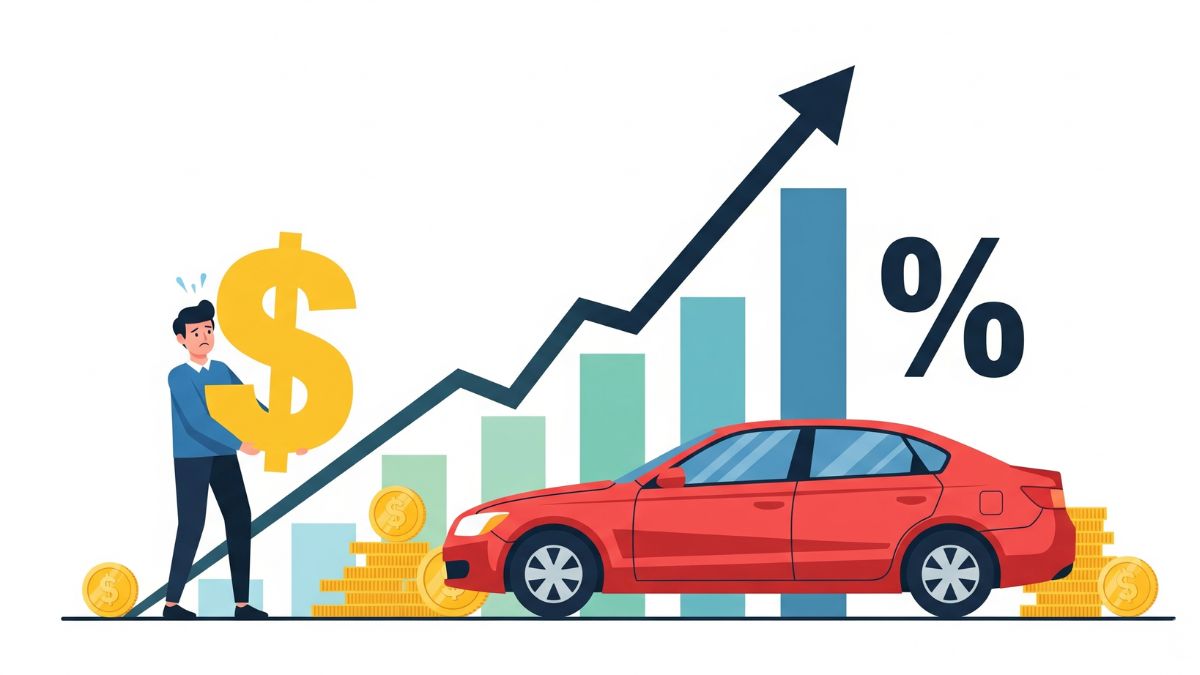
Inflation plays a big role in why cars are more expensive today. As the cost of labor, factory utilities, and other expenses go up, manufacturers raise prices to protect their profits. On top of that, higher interest rates make car loans costlier, so even if the sticker price stays the same, the total cost of owning a car increases. Together, these economic pressures have made owning a vehicle much harder on people’s wallets.
Consumer Preferences Drive Prices Up
Another reason new cars are more expensive is changing consumer preferences. Many buyers now favor larger vehicles like SUVs and trucks, which naturally cost more to build because of their size and the extra materials required.
These bigger vehicles usually come loaded with more comfort and technology features, which raise the price even further. People want spacious, feature-packed cars, and manufacturers are delivering—but at a higher cost. Combined with other factors like inflation, technology, and supply chain issues, this shift in demand has turned new cars into a major investment rather than just a simple means of transport.