
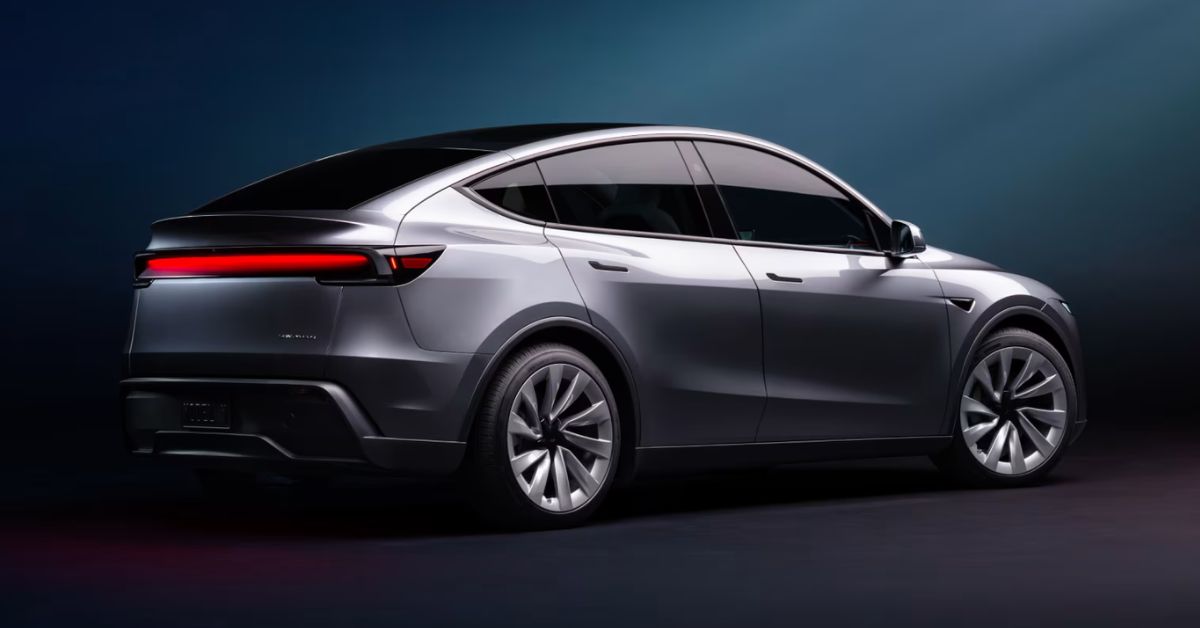
This is a common question and points to one of the biggest differences between gas cars and fully electric vehicles. The simple answer is no—electric cars don’t have exhaust systems. That’s because exhaust systems are used to release waste gases from burning fuel, and since EVs don’t burn fuel at all, there’s nothing to expel.
Why Gas Cars Need an Exhaust System
In a traditional car, the engine creates power by burning a mix of gasoline and air inside its cylinders. This combustion causes small, controlled explosions that push pistons, which then turn the wheels. But along with power, this process also produces hot, toxic gases as a byproduct.

The exhaust system is a network of pipes and parts that collects these gases, cleans them with a catalytic converter, reduces noise with a muffler, and releases them safely through a tailpipe. While it’s essential for gasoline cars, it’s completely unnecessary for electric vehicles, which produce no exhaust gases at all.
Why Electric Cars Don’t Need an Exhaust
Electric cars, also known as Battery Electric Vehicles (BEVs), work in a completely different way from gas cars. They use an electric motor powered by a large battery pack, with no fuel burning and no explosions. This means there are no hot, toxic gases to release. The motor simply converts electrical energy into mechanical energy with high efficiency.
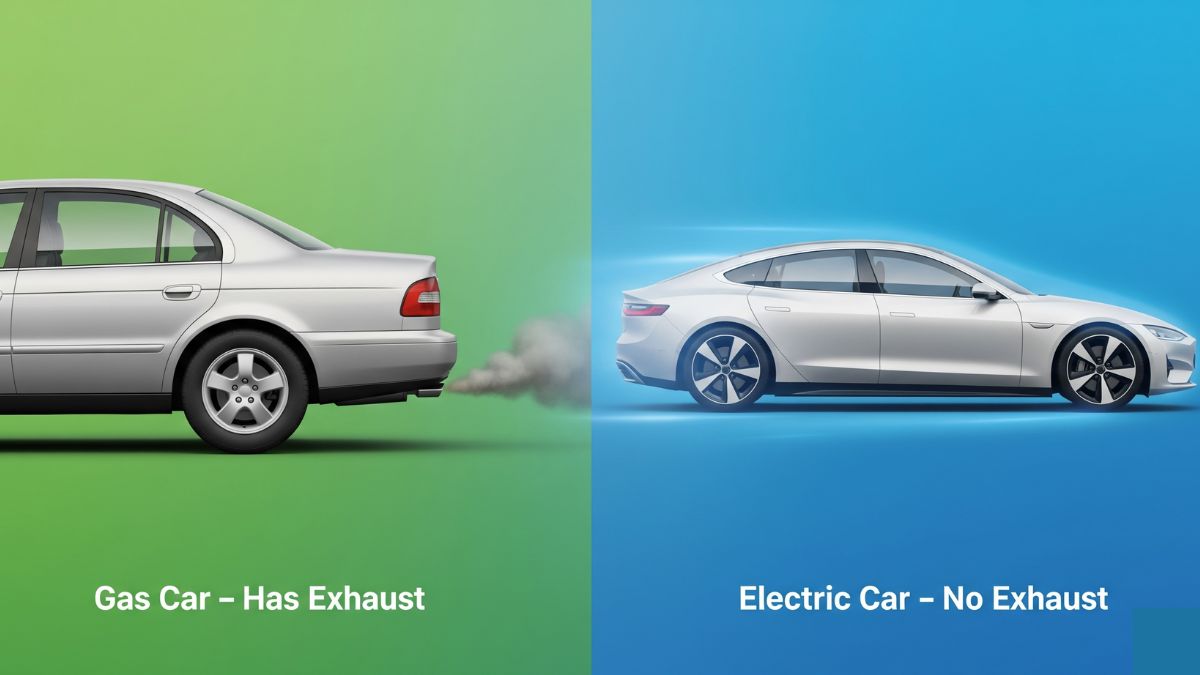
The only byproducts of this process are heat and normal wear on parts. Since there’s no combustion engine, you’ll never find a tailpipe on a pure EV. This is why electric cars are often called “Zero Emission Vehicles” (ZEVs) when it comes to tailpipe emissions.
Thermal Management in Electric Cars
While electric cars don’t have a traditional exhaust system, they do have a smart thermal management system to control temperature. This is important for keeping key parts—especially the battery—in good shape. The battery pack, electric motor, and power electronics all produce heat while driving or charging. If they get too hot, it can reduce performance, shorten their lifespan, or even cause safety problems in extreme cases.
How an EV’s Thermal Management System Works
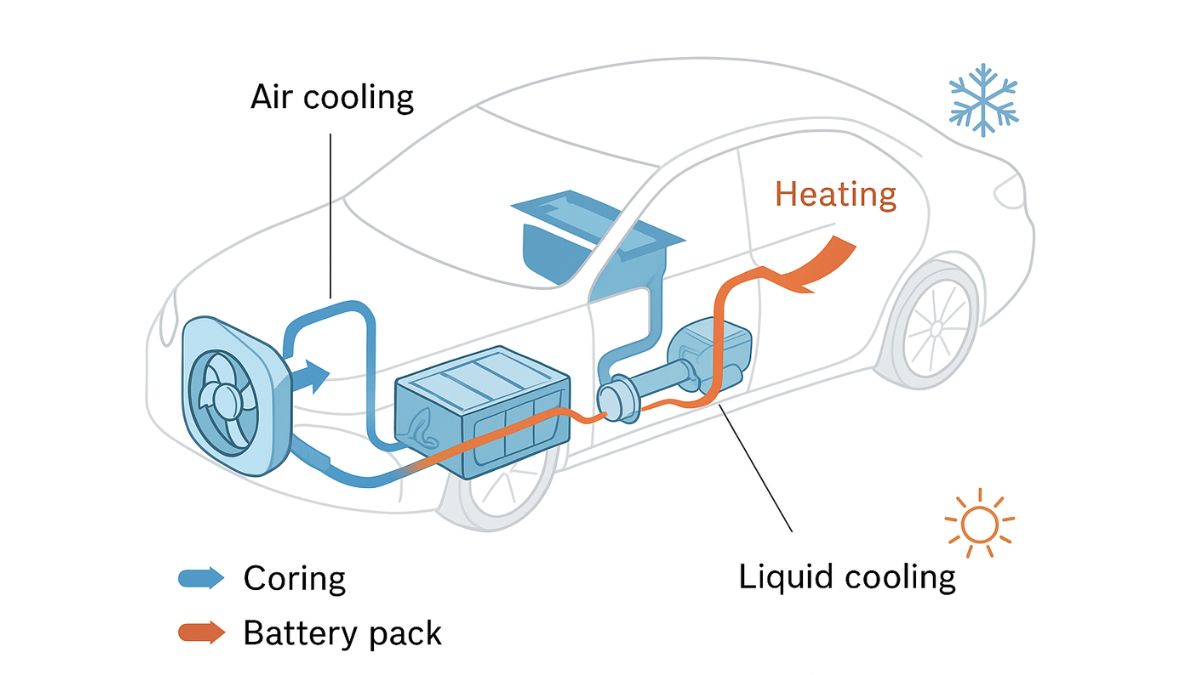
The thermal management system in an electric car keeps important parts like the battery and motor at the right temperature for best performance. This can be done with air cooling, where fans blow air over the battery, or more commonly with liquid cooling, where coolant flows through channels in the battery and motor.
In colder climates, the system can also warm the battery so it charges and runs efficiently, since cold can lower battery performance and range. It’s like a heating and cooling system for the EV, but it’s completely sealed and doesn’t release anything into the air.
Do Hybrids Have Exhaust Systems?
Yes, hybrid electric vehicles (HEVs) have exhaust systems because they use both an electric motor and a gasoline engine. The gasoline engine works just like in a regular car, producing combustion gases that need to be managed through an exhaust system. Plug-in hybrid electric vehicles (PHEVs) also have a gasoline engine and exhaust system, even though they can run on electric power alone for a limited distance. This is why the term “zero emissions” only truly applies to pure battery electric vehicles.
Why Electric Cars Don’t Have Exhaust Systems
The lack of an exhaust system is one of the key features that sets pure electric cars apart. This is because their powertrain is completely different—replacing the noisy, fuel-burning combustion engine with a quiet and efficient electric motor. Without burning fuel, there are no toxic tailpipe emissions to release.
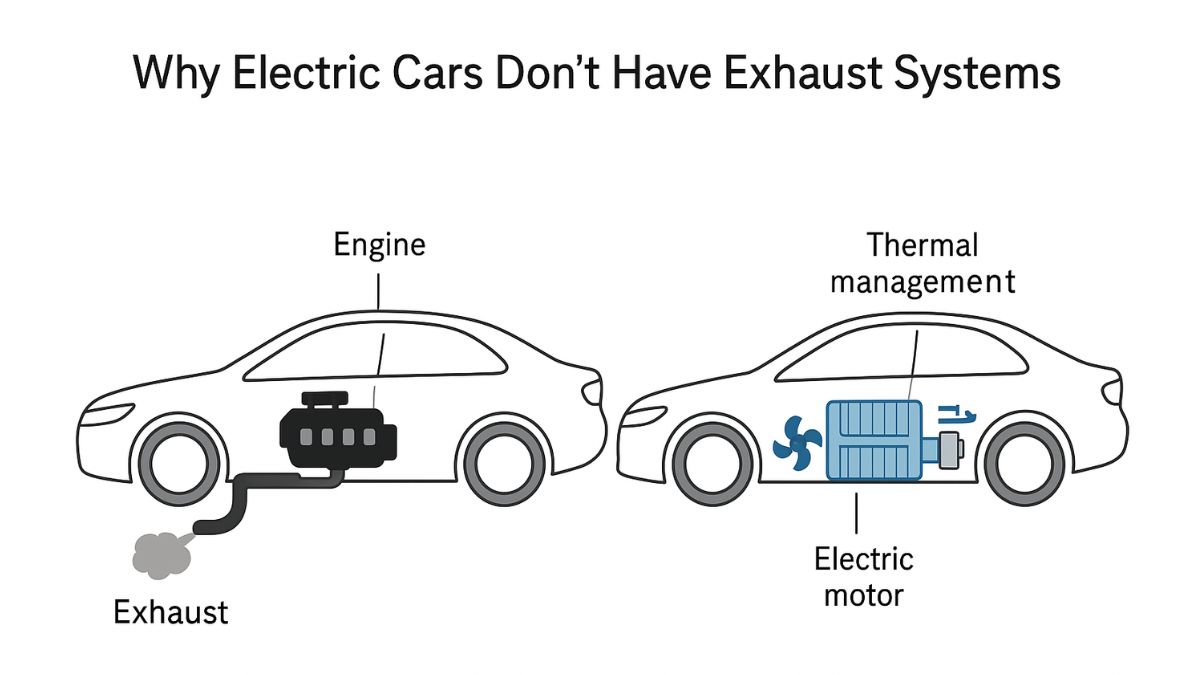
In gas cars, the exhaust system is a visible and often noisy reminder of the fossil fuel process. In contrast, electric vehicles use a thermal management system that works silently and out of sight, keeping the battery and other components at the right temperature for peak performance.