
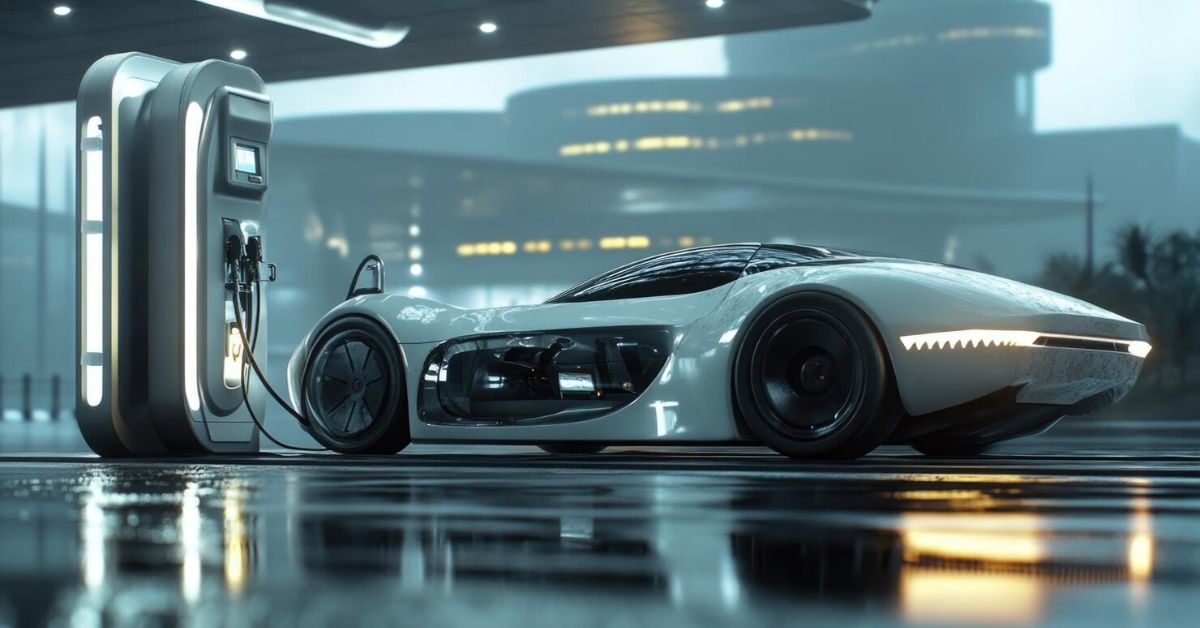
This is a question with a lot of details, and the answer is becoming clearer as electric vehicles (EVs) grow in popularity and the technology improves. While people once thought an EV’s battery would wear out quickly, real-world data is showing otherwise. In fact, many experts now believe that electric cars can last just as long as, and sometimes even longer than, traditional gasoline-powered cars.
Why Electric Cars Can Last Longer
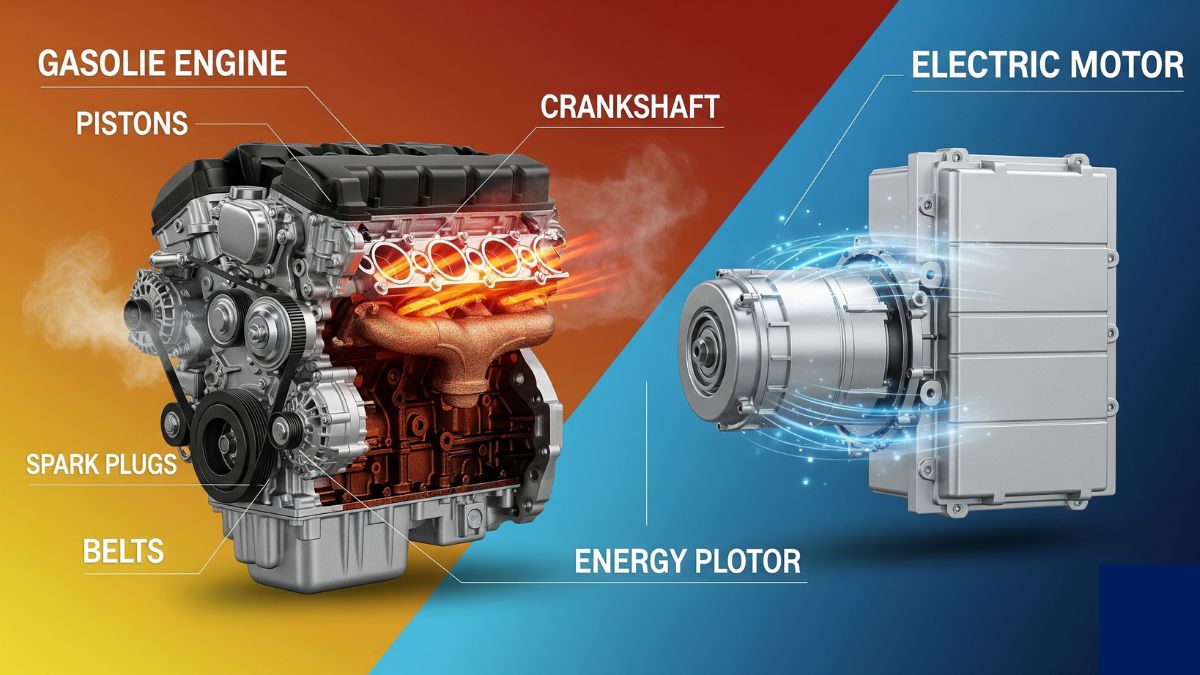
The main reason electric cars often last longer comes down to how they work compared to gas cars. A gasoline engine has thousands of moving parts—like pistons, crankshafts, spark plugs, and belts—all constantly exposed to heat, friction, and the byproducts of burning fuel. This causes wear and tear, meaning more maintenance and part replacements over time. After all, a gas engine is basically a series of controlled explosions, and while that’s effective, it’s also tough on the components.
The Simplicity of Electric Car Powertrains
An electric car’s powertrain is much simpler than that of a gasoline car. It mainly consists of a battery pack, an electric motor, and a single-speed transmission. The electric motor has far fewer moving parts, which means there’s a lot less that can go wrong compared to a traditional engine.
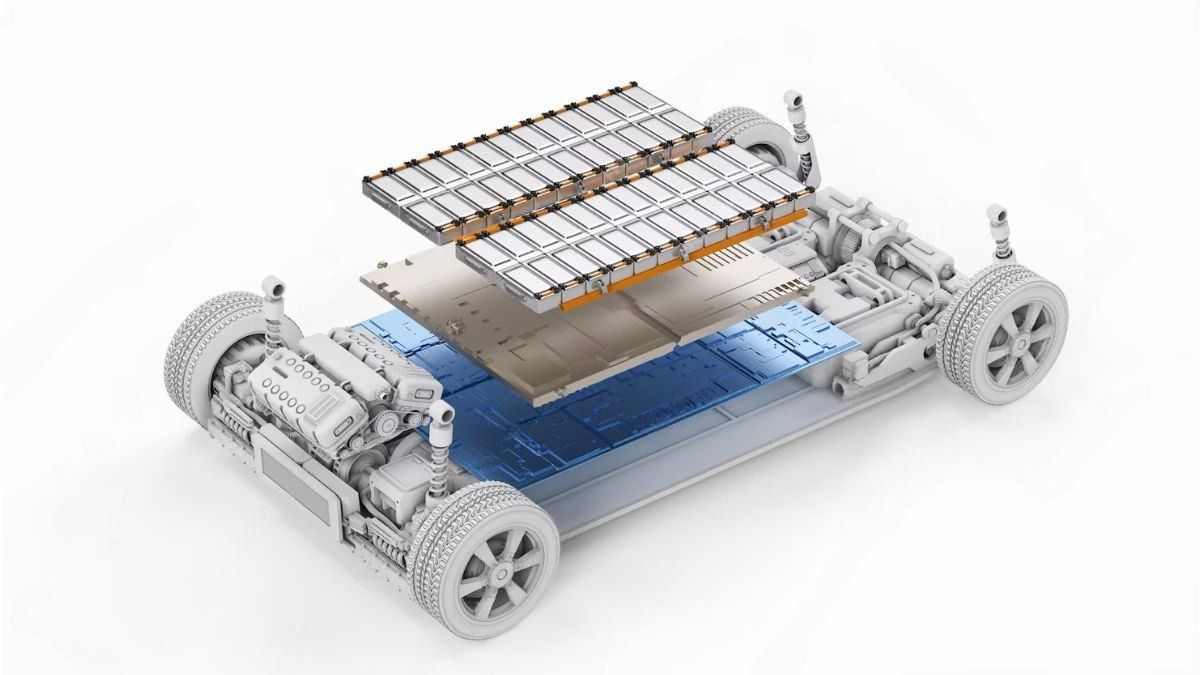
With an EV, there are no oil changes, no spark plugs to replace, no timing belts to break, and no exhaust system to rust. This simplicity reduces the chances of mechanical problems and cuts down on regular maintenance. Less wear and tear over time plays a big role in helping electric cars last longer.
Battery Life in Electric Cars
The main concern many people have about an electric car’s lifespan is the battery, as it’s usually the most expensive part to replace. Some think it wears out quickly like a smartphone battery, but that’s not true for modern EVs. Today’s batteries are built to be highly durable and come with advanced battery management systems (BMS) that carefully control temperature, voltage, and charging rates to reduce wear and keep them lasting longer.
How Long EV Batteries Really Last

Studies and real-world data show that modern EV batteries last much longer than many people expected. Their capacity drops slowly—often only a few percent each year. This means that even after 10 years, a battery can still keep around 80% or more of its original capacity, which is plenty for most daily driving needs. Plus, most carmakers offer battery warranties of about eight years or 100,000 miles, giving buyers extra peace of mind.
What Happens at the End of an EV’s Life
Unlike a gas car, which can be completely disabled by a major engine failure or severe rust, an electric car’s “end of life” usually means its battery range has slowly decreased. The car can still run—it just won’t go as far on a single charge. Even then, the battery cells can be reused for energy storage, and many of their raw materials can be recycled. This makes the overall life cycle of an EV more sustainable.
How to Make Your Car Last Longer
Whether it’s electric or gasoline-powered, a car’s lifespan depends a lot on how it’s cared for and driven. For EVs, avoiding constant fast charging, keeping the battery between 20% and 80% for daily use, and shielding it from extreme temperatures can greatly extend battery life. Likewise, a gasoline car that gets regular oil changes and proper servicing can run smoothly for hundreds of thousands of miles.
Conclusion: Do Electric Cars Last Longer?
In conclusion, while electric cars are still fairly new in the mainstream market, evidence shows they can be just as durable—or even more so—than gas cars. Their simple design, advanced battery technology, and smart management systems give them a solid base for long-term reliability. This means the answer to whether EVs last longer is increasingly “yes,” making them a smart choice not only for the environment but also for long-term ownership.